Systemic Capillary Leak Syndrome (SCLS) Treatment in India
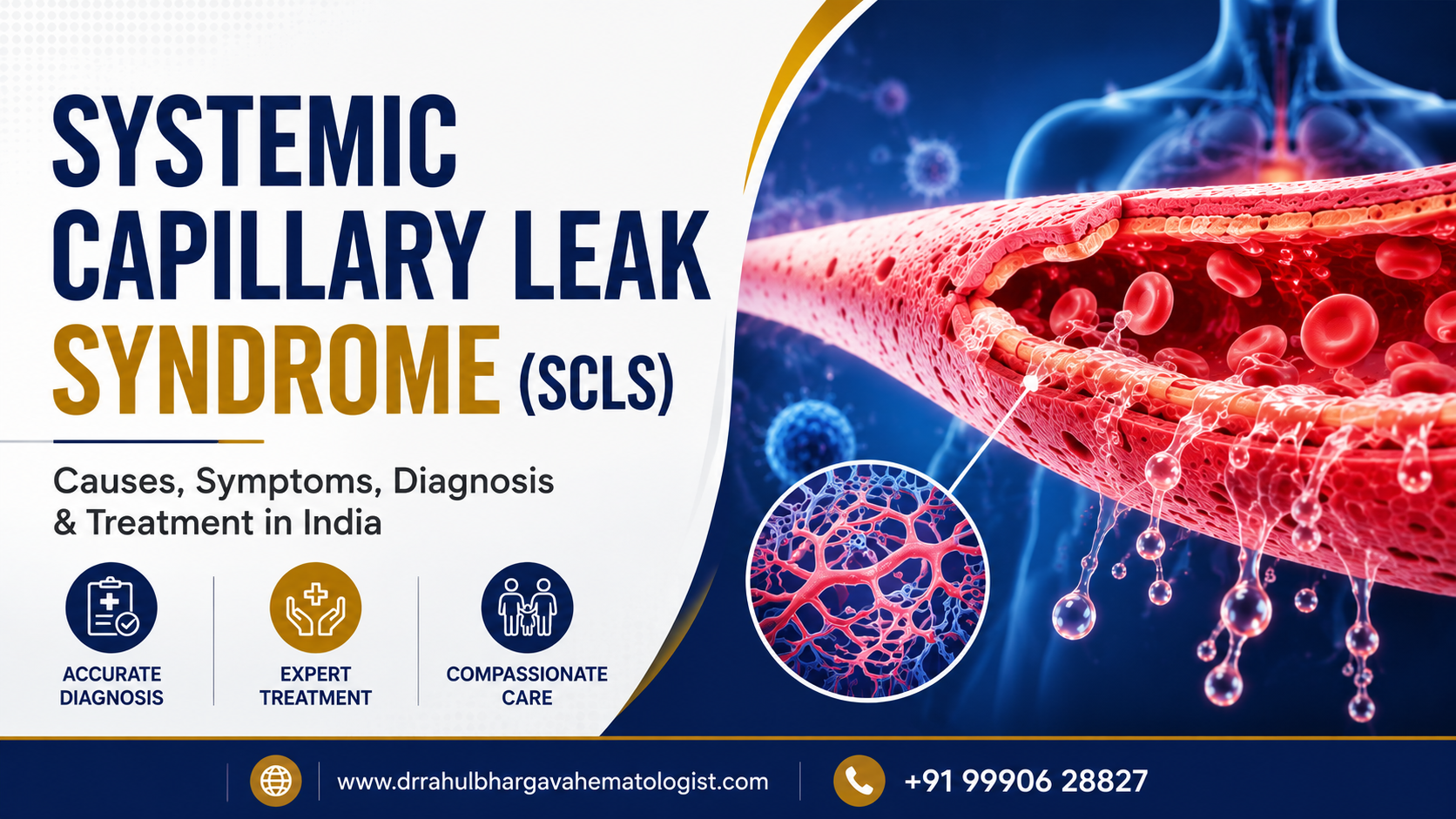
Systemic Capillary Leak Syndrome (SCLS), also known as Clarkson's disease, is a rare and life-threatening condition characterized by recurrent episodes of fluid leakage from the capillaries (small blood vessels) into surrounding tissues. This leakage results in a dramatic drop in blood pressure (hypotension), edema (fluid accumulation in tissues), and shock. SCLS is a type of vascular permeability disorder, where the walls of capillaries become abnormally permeable, allowing plasma and proteins to leak out into the interstitial space.
SCLS typically affects adults but can occur in children as well. The disease is often episodic and can occur without warning, leading to periods of severe illness followed by remission. It is considered to be a chronic condition with recurrent episodes, and it can be fatal if not managed properly.
Systemic Capillary Leak Syndrome (SCLS) Treatment in India
Systemic Capillary Leak Syndrome (SCLS), also known as Clarkson's Disease, is an extremely rare but potentially life-threatening medical condition characterized by the sudden leakage of plasma, proteins, and fluids from tiny blood vessels (capillaries) into surrounding tissues. This abnormal shift of fluid results in a rapid reduction in circulating blood volume, which can cause severe hypotension (low blood pressure), swelling of the limbs, organ dysfunction, shock, and, in severe cases, multi-organ failure.
Because SCLS is uncommon and often mimics other medical emergencies such as septic shock or severe allergic reactions, early diagnosis can be challenging. Prompt recognition by experienced specialists and immediate treatment are essential to stabilize the patient and reduce the risk of serious complications.
Over the past decade, significant advances in intensive care medicine, immunotherapy, and supportive treatment have improved the outlook for many patients living with Systemic Capillary Leak Syndrome. Regular monitoring, preventive therapies such as Intravenous Immunoglobulin (IVIG), and individualized treatment plans have helped reduce the frequency and severity of recurrent attacks.
India has become a trusted destination for patients seeking treatment for rare and complex disorders like SCLS. The country offers internationally trained specialists, modern diagnostic facilities, advanced intensive care units, and comprehensive medical services at a significantly lower cost than many Western nations. Patients also benefit from shorter waiting times, personalized care, and dedicated international patient support services.
For individuals diagnosed with Systemic Capillary Leak Syndrome, timely evaluation and treatment by experienced hematologists and critical care specialists can greatly improve long-term outcomes and quality of life.
What is Systemic Capillary Leak Syndrome (SCLS)?
Systemic Capillary Leak Syndrome is a rare vascular disorder in which the walls of the smallest blood vessels temporarily become excessively permeable. During an attack, large amounts of plasma leak from the bloodstream into surrounding muscles and tissues while red blood cells remain within the blood vessels. This sudden fluid shift causes blood pressure to drop dramatically and reduces the amount of blood available to supply vital organs.
The condition usually occurs in episodes that may last from several hours to a few days. Between episodes, many patients return to normal health with no obvious symptoms. However, recurrent attacks can become increasingly dangerous without proper medical management.
SCLS can affect individuals of various ages, although it is more commonly diagnosed in adults. Due to its rarity, many patients experience delays in diagnosis before receiving appropriate treatment.
Without prompt medical intervention, severe attacks may lead to:
- Hypovolemic shock
- Acute kidney injury
- Respiratory distress
- Cardiac complications
- Compartment syndrome
- Multi-organ failure
Despite its seriousness, advances in diagnosis and treatment have significantly improved survival rates when patients receive specialized care.
Why Choose India for Systemic Capillary Leak Syndrome Treatment?
India has earned global recognition for providing advanced healthcare services for rare and complex diseases. International patients from the Middle East, Africa, South Asia, Central Asia, and other regions travel to India because of its experienced specialists, world-class hospitals, and affordable treatment options.
Some of the major advantages include:
Experienced Specialists
India is home to highly qualified hematologists, immunologists, critical care physicians, and internal medicine experts with extensive experience in diagnosing and managing rare disorders such as Systemic Capillary Leak Syndrome.
Advanced Diagnostic Facilities
Leading hospitals are equipped with sophisticated diagnostic technologies that enable accurate evaluation and early identification of SCLS while ruling out other conditions with similar symptoms.
Modern Intensive Care Units
Since acute SCLS attacks often require emergency treatment, advanced intensive care units with continuous monitoring and life-support facilities play an essential role in improving patient outcomes.
Affordable Medical Care
Compared with many developed countries, India offers high-quality treatment at a considerably lower cost without compromising clinical standards.
Personalized Treatment Plans
Every patient receives a customized management strategy based on the severity of the disease, medical history, frequency of attacks, and overall health.
International Patient Services
Many hospitals provide dedicated support for overseas patients, including visa assistance, interpreter services, airport transfers, accommodation arrangements, and post-treatment follow-up.
Who Needs Treatment for Systemic Capillary Leak Syndrome?
Anyone experiencing symptoms suggestive of SCLS should undergo immediate medical evaluation. Individuals diagnosed with recurrent episodes require long-term specialist care to reduce the likelihood of future attacks.
Treatment is particularly important for patients who experience:
- Recurrent episodes of unexplained low blood pressure
- Sudden swelling of the arms or legs
- Frequent hospitalization due to shock
- Reduced urine output during attacks
- Severe dehydration despite fluid retention
- Unexplained elevation in hemoglobin or hematocrit
- Recurrent episodes triggered by infections
- Organ dysfunction associated with capillary leakage
Early intervention can help prevent serious complications and improve long-term disease control.
Types of Systemic Capillary Leak Syndrome
Doctors generally classify Systemic Capillary Leak Syndrome into two major categories based on its underlying cause.
Idiopathic Systemic Capillary Leak Syndrome
Idiopathic SCLS is the most common form and develops without an identifiable underlying disease. Patients often experience repeated episodes of capillary leakage separated by symptom-free intervals. Many individuals with idiopathic SCLS are also found to have Monoclonal Gammopathy of Undetermined Significance (MGUS), although the exact relationship remains under investigation.
Secondary Systemic Capillary Leak Syndrome
Secondary SCLS occurs as a complication of another medical condition. Potential causes include:
- Severe viral infections
- Bacterial infections
- Autoimmune diseases
- Certain cancers
- Blood disorders
- Rare adverse reactions to medications
- Severe inflammatory conditions
Successful treatment often involves addressing both the capillary leak syndrome and the underlying disease responsible for triggering the episodes.
Symptoms of Systemic Capillary Leak Syndrome
The symptoms of SCLS usually develop suddenly and progress rapidly. An attack often begins with flu-like symptoms before advancing to severe vascular leakage.
Common symptoms include:
- Sudden swelling of the hands, arms, feet, or legs
- Rapid weight gain caused by fluid accumulation
- Severe fatigue
- Weakness
- Dizziness
- Fainting episodes
- Very low blood pressure
- Cold or clammy skin
- Rapid heartbeat
- Nausea and vomiting
- Abdominal discomfort
- Muscle pain
- Reduced urine output
- Shortness of breath
- Confusion in severe cases
As the disease progresses, inadequate blood flow may compromise vital organs, making emergency medical treatment essential.
Causes of Systemic Capillary Leak Syndrome
Although the exact cause remains unknown, researchers believe that SCLS results from temporary injury or dysfunction of the endothelial cells lining the capillaries. These damaged blood vessels become excessively permeable, allowing plasma to escape into surrounding tissues.
Several potential triggers have been identified, including:
- Viral infections such as influenza or respiratory viruses
- Bacterial infections
- Severe physical stress
- Autoimmune disorders
- Monoclonal gammopathy (MGUS)
- Certain medications
- Inflammatory responses
- Rare genetic factors
In many patients, however, no specific trigger can be identified.
Risk Factors for Systemic Capillary Leak Syndrome
Although anyone can develop SCLS, certain factors may increase the likelihood of developing the condition or experiencing recurrent attacks.
Important risk factors include:
Monoclonal Gammopathy (MGUS)
Many patients with idiopathic SCLS have an associated monoclonal protein in the blood, although most individuals with MGUS never develop SCLS.
Previous Episodes
Patients who have experienced one attack remain at increased risk of future episodes without preventive treatment.
Viral Infections
Respiratory infections are among the most commonly reported triggers of acute SCLS attacks.
Autoimmune Disorders
Certain autoimmune conditions may contribute to abnormal immune activation and endothelial dysfunction.
Chronic Inflammatory Conditions
Persistent inflammation may increase susceptibility in selected patients.
Despite these associations, the disease remains extremely rare, and most people with these risk factors never develop SCLS.
Diagnosis of Systemic Capillary Leak Syndrome
Diagnosing SCLS requires careful evaluation because the condition resembles several other medical emergencies. An experienced specialist will combine clinical findings with laboratory investigations and imaging studies to establish the diagnosis and exclude other causes.
Medical History and Physical Examination
Doctors evaluate previous episodes of hypotension, swelling, infections, medications, and associated medical conditions while performing a detailed physical examination.
Blood Tests
Routine laboratory investigations may include:
- Complete Blood Count (CBC)
- Hemoglobin and hematocrit
- Serum albumin
- Kidney function tests
- Liver function tests
- Electrolytes
- Inflammatory markers
Patients often demonstrate elevated hemoglobin levels due to plasma loss and reduced serum albumin because proteins leak from the bloodstream.
Serum Protein Electrophoresis
This investigation helps detect monoclonal gammopathy (MGUS), which is commonly associated with idiopathic SCLS.
Imaging Studies
Depending on the patient's symptoms, doctors may recommend:
- Chest X-ray
- Ultrasound
- CT Scan
- MRI Scan
- Echocardiography
These tests help evaluate organ involvement and rule out alternative diagnoses.
Additional Investigations
Other tests may include:
- Urine analysis
- Cardiac evaluation
- Autoimmune screening
- Infection screening
- Biomarker analysis when clinically indicated
Following a comprehensive evaluation, specialists develop an individualized treatment strategy based on the severity of the disease and the patient's overall health.
Treatment for Systemic Capillary Leak Syndrome (SCLS)
Systemic Capillary Leak Syndrome (SCLS) is a rare medical emergency that requires immediate treatment in a specialized hospital with intensive care facilities. Because the condition can progress rapidly, treatment focuses on stabilizing the patient during an acute episode, preventing complications, restoring blood circulation, and reducing the risk of future attacks.
Since every patient presents differently, treatment is highly individualized and depends on the severity of symptoms, frequency of attacks, associated medical conditions, and overall health. A multidisciplinary team that may include hematologists, intensivists, immunologists, nephrologists, cardiologists, and emergency medicine specialists works together to provide comprehensive care.
Acute Management of Systemic Capillary Leak Syndrome
The initial phase of an SCLS attack is the most critical. Patients are usually admitted to an Intensive Care Unit (ICU), where continuous monitoring allows specialists to respond quickly to changes in blood pressure, heart function, urine output, and organ perfusion.
Immediate treatment goals include:
- Stabilizing blood pressure
- Maintaining adequate blood circulation
- Preventing shock
- Protecting vital organs
- Correcting electrolyte imbalances
- Monitoring kidney and heart function
Close observation is essential because excessive fluid replacement may later lead to fluid overload when leaked plasma returns to the bloodstream during the recovery phase.
Intravenous Fluid Therapy
One of the first priorities during an acute episode is restoring the circulating blood volume. Carefully administered intravenous (IV) fluids help improve blood pressure and ensure that vital organs continue to receive adequate oxygen and nutrients.
Because patients with SCLS are highly sensitive to fluid balance, fluid therapy must be individualized. Excessive fluid administration can increase the risk of pulmonary edema (fluid in the lungs) once the capillary leak resolves.
Specialists continuously monitor:
- Blood pressure
- Heart rate
- Urine output
- Oxygen saturation
- Body weight
- Central venous pressure (when required)
Vasopressor Medications
If blood pressure remains critically low despite appropriate fluid replacement, medications known as vasopressors may be required to improve circulation.
Commonly used vasopressors include:
- Norepinephrine
- Vasopressin
- Dopamine (in selected cases)
These medications are administered under continuous ICU monitoring to ensure safe and effective blood pressure control.
Intravenous Immunoglobulin (IVIG)
Intravenous Immunoglobulin (IVIG) is considered one of the most effective long-term treatments for patients with recurrent idiopathic Systemic Capillary Leak Syndrome.
IVIG is prepared from purified antibodies collected from healthy donors and helps regulate abnormal immune responses believed to contribute to capillary leakage.
Potential benefits of IVIG include:
- Reduced frequency of SCLS attacks
- Less severe episodes
- Improved long-term disease control
- Lower hospitalization rates
- Better overall quality of life
Many patients receive IVIG at regular intervals as maintenance therapy under the supervision of a specialist.
Plasma Expanders
During severe attacks, plasma expanders may be used to temporarily increase circulating blood volume and reduce the risk of hypovolemic shock.
These specialized solutions help maintain adequate tissue perfusion while the underlying capillary leak is managed. Their use depends on the patient's clinical condition and is carefully monitored by the treating team.
Albumin Replacement Therapy
Some patients experience significant loss of plasma proteins, particularly albumin, during an attack. Albumin replacement may be considered in selected cases to help restore oncotic pressure and support fluid balance.
The decision to administer albumin depends on laboratory findings, clinical status, and the phase of the illness.
Management of Complications
Severe SCLS can lead to several life-threatening complications that require prompt intervention.
Acute Kidney Injury
Reduced blood flow to the kidneys may temporarily impair kidney function. Treatment focuses on restoring circulation, monitoring fluid balance, and, in rare cases, dialysis support.
Compartment Syndrome
Severe swelling of the limbs can increase pressure within muscles and reduce blood supply. Emergency surgical intervention (fasciotomy) may be necessary if compartment syndrome develops.
Respiratory Complications
Patients who develop pulmonary edema or respiratory failure may require oxygen therapy or mechanical ventilation in the intensive care unit.
Cardiac Complications
Continuous cardiac monitoring helps detect rhythm disturbances, reduced cardiac output, or other cardiovascular complications associated with severe hypotension.
Long-Term Preventive Management
Since many patients experience recurrent episodes, long-term preventive care is an essential part of treatment.
Preventive strategies may include:
- Scheduled IVIG therapy
- Regular follow-up appointments
- Early treatment of viral infections
- Maintaining adequate hydration
- Avoiding known personal triggers
- Routine laboratory monitoring
- Patient education regarding early warning signs
Patients are encouraged to carry a summary of their medical history so that emergency healthcare providers can initiate treatment promptly if another episode occurs.
Cost of Systemic Capillary Leak Syndrome Treatment in India
India provides advanced treatment for rare diseases like SCLS at significantly lower costs than many Western countries. Patients have access to modern hospitals, experienced specialists, advanced ICUs, and high-quality diagnostic services while benefiting from affordable treatment packages.
Estimated Diagnostic Costs
| Investigation | Estimated Cost (USD) |
|---|---|
| Specialist Consultation | 30–80 |
| Blood Investigations | 50–200 |
| Serum Protein Electrophoresis | 50–150 |
| Chest X-ray | 20–50 |
| Ultrasound | 40–100 |
| CT Scan | 120–250 |
| MRI Scan | 180–350 |
| Echocardiography | 60–150 |
Estimated Treatment Costs
| Treatment | Estimated Cost (USD) |
|---|---|
| ICU Care (Per Day) | 300–800 |
| Intravenous Fluids & Medications (Per Day) | 50–200 |
| Vasopressor Therapy | 100–500 |
| IVIG Therapy (Per Session) | 500–2,000 |
| Albumin Therapy | 150–600 |
| Hospital Stay (General Ward, Per Day) | 100–300 |
Estimated overall treatment cost: USD 5,000–20,000, depending on disease severity, ICU requirements, duration of hospitalization, medications, and supportive care.
Factors Affecting the Cost of Treatment
The total treatment cost varies based on several clinical and logistical factors, including:
- Severity of the capillary leak episode
- Number of ICU days required
- Need for IVIG therapy
- Duration of hospitalization
- Diagnostic investigations performed
- Associated medical conditions
- Requirement for mechanical ventilation
- Laboratory monitoring
- Hospital category
- Management of complications
Even with advanced medical care, treatment in India remains considerably more affordable than in the United States, Europe, and several other developed countries.
Recovery After Systemic Capillary Leak Syndrome Treatment
Recovery depends on the severity of the attack, the speed of diagnosis, and the patient's response to treatment. During the recovery phase, leaked fluid gradually returns to the bloodstream, requiring careful monitoring to prevent fluid overload and heart or lung complications.
Patients recovering from SCLS should undergo regular follow-up to assess:
- Blood pressure
- Kidney function
- Heart function
- Serum albumin levels
- Overall fluid balance
- Frequency of recurrent attacks
Maintaining close communication with the treating specialist and adhering to preventive treatment plans can significantly reduce the risk of future episodes.
Success Rate of Treatment
Although Systemic Capillary Leak Syndrome remains a rare and serious condition, advances in intensive care medicine and preventive therapies have substantially improved patient outcomes.
Early diagnosis, prompt emergency management, and regular IVIG therapy have been associated with:
- Reduced frequency of attacks
- Lower mortality risk
- Improved long-term survival
- Better quality of life
- Fewer hospital admissions
The prognosis varies depending on the severity of the disease, the presence of underlying medical conditions, and how quickly treatment is initiated. Lifelong follow-up with experienced specialists is recommended for most patients.
Why International Patients Choose India for Systemic Capillary Leak Syndrome Treatment
India has become one of the world's preferred destinations for treating rare and complex medical conditions, including Systemic Capillary Leak Syndrome (SCLS). International patients from the Middle East, Africa, South Asia, Central Asia, and many other regions travel to India for access to experienced specialists, advanced healthcare infrastructure, and affordable treatment.
Because SCLS requires rapid diagnosis, intensive monitoring, and long-term follow-up, receiving care at a well-equipped tertiary care center is essential. India's leading hospitals offer multidisciplinary expertise, modern intensive care units, and evidence-based treatment protocols that meet international standards.
Some of the key reasons why patients choose India include:
- Highly experienced hematologists and critical care specialists
- Advanced intensive care units (ICUs) with 24/7 monitoring
- Modern diagnostic laboratories and imaging facilities
- Access to Intravenous Immunoglobulin (IVIG) therapy
- Personalized treatment plans based on individual patient needs
- Short waiting periods for consultations and treatment
- International patient departments with dedicated coordinators
- Medical visa assistance and travel support
- Interpreter services for international visitors
- Comfortable accommodation options for patients and caregivers
- Comprehensive follow-up and long-term disease management
India combines medical expertise with compassionate patient care, making it a trusted destination for patients seeking treatment for rare disorders such as Systemic Capillary Leak Syndrome.
Why Choose Dr. Rahul Bhargava?
Dr. Rahul Bhargava is one of India's leading hematologists and bone marrow transplant specialists, widely recognized for managing complex hematological disorders and collaborating in the multidisciplinary treatment of rare immune-mediated conditions.
Patients from India and overseas seek his expertise because of his evidence-based approach, individualized treatment planning, and commitment to providing high-quality patient care.
Reasons to Choose Dr. Rahul Bhargava
- Extensive experience in hematology and complex blood disorders
- Expertise in diagnosing and managing rare diseases
- Personalized treatment plans tailored to each patient
- Collaboration with multidisciplinary specialists
- Access to advanced diagnostic facilities
- Evidence-based treatment protocols
- Comprehensive follow-up and long-term monitoring
- Dedicated support for international patients
Patients receive coordinated care designed to improve clinical outcomes while ensuring comfort and safety throughout the treatment journey.
How International Patients Can Plan Their Treatment in India
Planning treatment in India is straightforward when supported by an experienced international patient team. Before traveling, patients should share their medical records, laboratory reports, imaging studies, and previous treatment history for review.
The usual process includes:
- Online medical record evaluation.
- Expert opinion and preliminary treatment plan.
- Estimated cost and treatment duration.
- Assistance with a medical visa invitation.
- Appointment scheduling before arrival.
- Airport pickup and accommodation support (where available).
- Hospital admission and treatment.
- Follow-up consultation and discharge planning.
- Remote follow-up after returning home.
This coordinated approach helps reduce delays and ensures that treatment begins as quickly as possible.
Frequently Asked Questions
SCLS is a chronic condition, but with proper management, the frequency and severity of episodes can be significantly reduced.
Episodes can last from a few hours to several days and require immediate medical attention.
While there is no sure way to prevent SCLS, certain medications like IVIG can help reduce the frequency of episodes.
SCLS episodes can be triggered by a variety of factors, including infections, stress, vigorous exercise, certain medications, and sometimes without any identifiable trigger. Identifying and avoiding potential triggers is crucial for managing the condition effectively.