Anemia in Women: Causes, Symptoms, and Treatment

Table of Contents
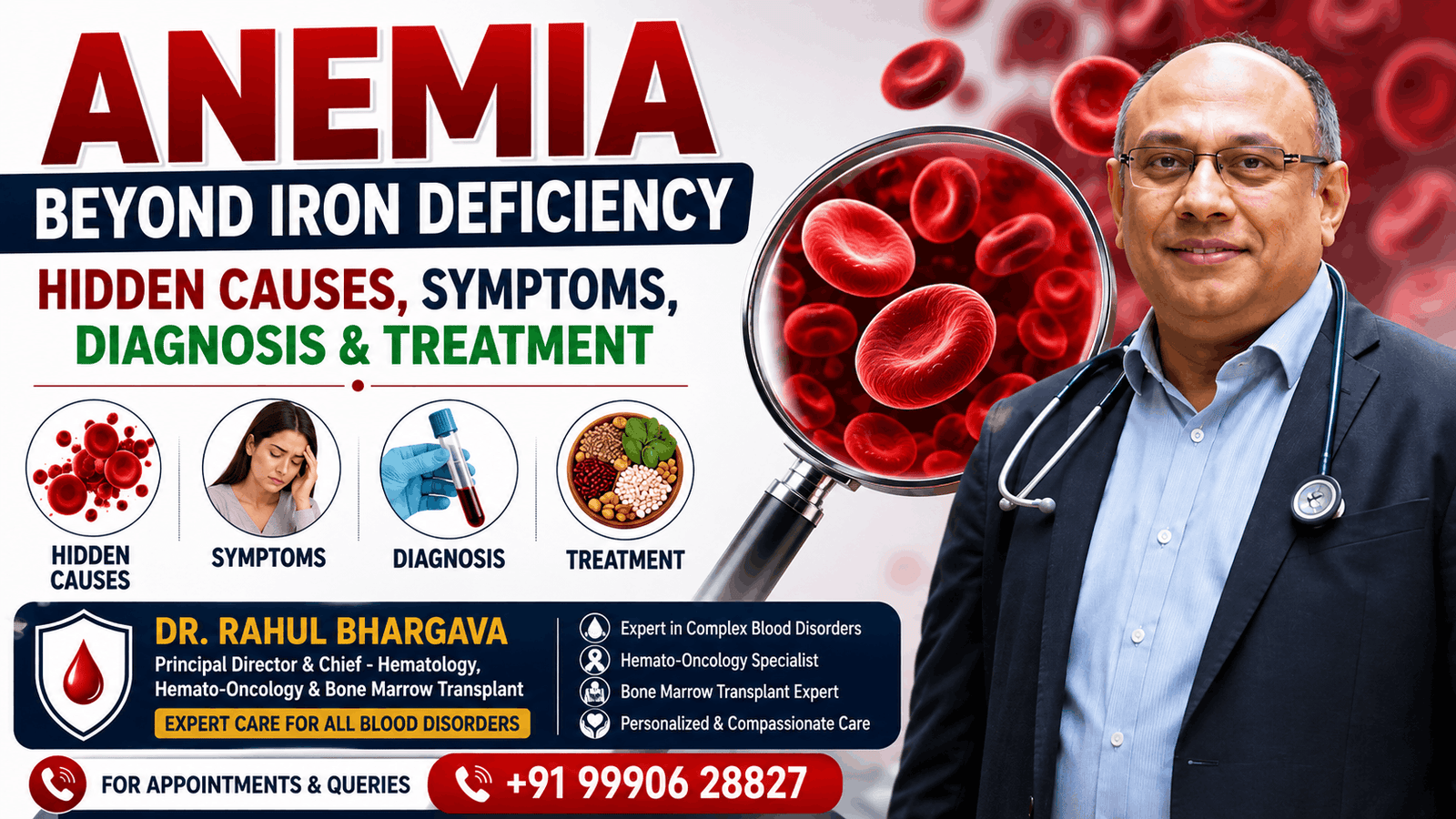
Anemia is a common health issue affecting millions of people worldwide, with women being disproportionately impacted. This condition, characterized by a lack of healthy red blood cells or hemoglobin, can lead to a range of symptoms, including fatigue, weakness, and shortness of breath. In this blog post, we will explore why anemia is more prevalent in women, how it can be effectively managed, and why seeking the best anemia treatment in India, as recommended by experts like Dr. Rahul Bhagarava, hematologist is crucial for maintaining optimal health.
What is Anemia?
Anemia occurs when the body doesn't have enough healthy red blood cells to carry adequate oxygen to the tissues, leading to fatigue and other symptoms. There are various types of anemia, including iron-deficiency anemia, vitamin B12 deficiency anemia, and anemia caused by chronic diseases. Among these, iron-deficiency anemia is the most common, particularly in women.
Why Anemia Is More Common in Women?
Several factors contribute to the higher prevalence of anemia in women:
-
Menstrual Blood Loss:
- Monthly Menstruation: One of the most significant contributors to anemia in women is menstrual blood loss. On average, women lose about 30-40 milliliters of blood during each menstrual cycle. While this may seem minor, it can lead to iron deficiency over time, particularly in women with heavy menstrual bleeding (menorrhagia).
- Iron Deficiency: Since iron is a crucial component of hemoglobin, regular blood loss without adequate iron intake can lead to iron-deficiency anemia. This condition is the most common type of anemia, affecting millions of women globally.
-
Pregnancy:
- Increased Blood Volume: During pregnancy, a woman's blood volume increases by about 50% to support the growing fetus. This increase can dilute the blood's hemoglobin concentration, leading to anemia.
- Nutrient Demands: Pregnant women require higher levels of iron, folic acid, and vitamin B12 to support both their own health and the development of the baby. Insufficient intake of these nutrients can result in anemia.
-
Postpartum Anemia:
- Blood Loss During Childbirth: Significant blood loss during childbirth can lead to postpartum anemia, a condition that can persist for weeks or even months if not properly managed.
- Breastfeeding: Lactating women also have increased nutritional demands, particularly for iron, which, if unmet, can exacerbate postpartum anemia.
-
Dietary Factors:
- Vegetarian/Vegan Diets: Women who follow vegetarian or vegan diets may be at a higher risk of anemia due to the lower bioavailability of non-heme iron found in plant-based foods compared to heme iron from animal sources.
- Dietary Insufficiency: In some cultures, women's diets may be lacking in essential nutrients due to socioeconomic factors or cultural practices that prioritize feeding other family members first.
-
Hormonal Changes:
- Pregnancy and Menopause: Hormonal changes during pregnancy and menopause can affect iron levels and red blood cell production, increasing the risk of anemia.
Signs of Anemia in Women
The signs of anemia in women can vary depending on the severity and type, but common symptoms include:
- Fatigue: Persistent tiredness that doesn’t improve with rest.
- Pale Skin: Noticeable pallor, particularly in the face and hands.
- Shortness of Breath: Difficulty breathing during normal activities.
- Dizziness or Lightheadedness: Feeling faint, especially when standing up quickly.
- Cold Hands and Feet: Due to poor circulation.
- Brittle Nails: Nails that break easily can be a sign of iron deficiency.
It's important to note that these symptoms can be subtle and gradually worsen, making it crucial to seek medical advice if they persist.
Diagnosing Anemia
Diagnosing anemia typically involves a physical examination and blood tests. These tests measure levels of hemoglobin, hematocrit, and red blood cells. Additionally, tests to determine iron levels, vitamin B12, and folate may be conducted to identify the specific type of anemia.
Dr. Rahul Bhagarava emphasizes the importance of regular screening for women, especially those with risk factors like heavy menstruation or a history of anemia during pregnancy. Early diagnosis is key to effective management .
Managing Anemia in Women
Effective management of anemia in women involves addressing the underlying cause, whether it's iron deficiency, chronic disease, or another factor. Here are some key strategies:
-
Nutritional Interventions:
- Iron-Rich Diet: Incorporating iron-rich foods into the diet is essential. These include red meat, poultry, fish, lentils, beans, tofu, and fortified cereals. For vegetarians and vegans, pairing iron-rich plant foods with vitamin C-rich foods (like citrus fruits, tomatoes, and bell peppers) can enhance iron absorption.
- Folic Acid and Vitamin B12: Ensuring adequate intake of folic acid (found in leafy greens, nuts, and fortified cereals) and vitamin B12 (found in meat, dairy, and eggs) is also crucial, particularly for pregnant women.
- Iron Supplements: In cases of significant deficiency, iron supplements may be prescribed. Dr. Rahul Bhagarava advises that women should only take iron supplements under medical supervision to avoid potential side effects like constipation or iron overload.
-
Managing Menstrual Health:
- Menstrual Health Management: Women with heavy menstrual bleeding should consult a healthcare provider to explore options such as hormonal treatments, non-hormonal medications, or surgical interventions like endometrial ablation to reduce blood loss.
- Regular Monitoring: Women with a history of heavy periods or other risk factors for anemia should have their hemoglobin levels checked regularly.
-
Prenatal and Postpartum Care:
- Prenatal Supplements: Pregnant women should take prenatal vitamins that include iron, folic acid, and vitamin B12, as recommended by their healthcare provider.
- Postpartum Care: After childbirth, women should continue to monitor their iron levels and follow a diet rich in iron and other essential nutrients. Breastfeeding mothers should also ensure they are getting enough iron, either through diet or supplements.
-
Chronic Disease Management:
- Treating Underlying Conditions: Anemia caused by chronic conditions such as kidney disease or inflammatory bowel disease (IBD) requires treating the underlying disease. This may involve medications, dietary changes, or other interventions as recommended by a healthcare provider.
-
Lifestyle Modifications:
- Exercise: Regular, moderate exercise can help improve energy levels and overall well-being. However, women with severe anemia should consult their doctor before starting a new exercise regimen.
- Stress Management: Chronic stress can exacerbate anemia symptoms. Practices like yoga, meditation, and adequate sleep can help manage stress levels.
-
Regular Medical Follow-Up:
- Routine Blood Tests: Regular blood tests to monitor hemoglobin levels and iron stores are essential for women at risk of anemia. These tests can help track the effectiveness of treatment and adjust interventions as needed.
- Consulting a Specialist: Women with complex cases of anemia or those not responding to standard treatments should consider consulting a hematologist like Dr. Rahul Bhagarava for specialized care.
Prevention Strategies for Anemia in Women
Preventing anemia requires a proactive approach, especially for women who are at higher risk. Here are some prevention strategies:
1. Preconception and Prenatal Care
Women planning to conceive should ensure their iron levels are adequate before pregnancy. During pregnancy, regular prenatal check-ups and appropriate supplementation are crucial for preventing anemia.Seeking the best anemia treatment in India before and during pregnancy can ensure the best outcomes for both mother and baby.
2. Addressing Menstrual Health
Women with heavy menstrual bleeding should seek medical advice to manage their condition effectively. Hormonal treatments, such as oral contraceptives, can help regulate menstrual cycles and reduce blood loss.
3. Lifestyle Modifications
Maintaining a balanced diet, regular physical activity, and avoiding smoking and excessive alcohol consumption can improve overall health and reduce the risk of anemia.
4. Public Health Initiatives
Public health initiatives targeting anemia prevention, especially in rural and underserved communities, are vital. These programs can provide iron supplements, educate women on proper nutrition, and offer screenings for early detection.
Anemia is a significant health concern for women, often driven by factors like menstruation, pregnancy, and diet. Recognizing the symptoms early and seeking proper care is crucial. By focusing on dietary improvements, medical treatments, and regular monitoring, women can manage anemia effectively. For consulting with specialists and opting for the best anemia treatment in India, guided by experts like Dr. Rahul Bhargava, consider scheduling a Dr. Rahul Bhargava appointment for personalized and expert care.
Frequently Asked Questions
The most common cause of anemia in women is iron deficiency, often due to heavy menstrual bleeding, pregnancy, poor diet, or underlying health conditions
Early symptoms of anemia in women include fatigue, dizziness, pale skin, shortness of breath, hair fall, and rapid heartbeat, especially during physical activity.ia may affect fertility and overall reproductive health.
Anemia in women is diagnosed through hemoglobin tests, CBC, iron studies, ferritin levels, and vitamin B12/folate tests to identify the cause accurately.
Treatment depends on the cause and may include iron supplements, dietary changes, vitamin B12 or folate therapy, treating heavy periods, or managing pregnancy-related anemia
Yes. Anemia in women can increase risks during pregnancy, such as preterm birth and low birth weight, and untreated severe anemia may affect fertility and overall reproductive health.