Hemophilia Treatment: Effective Ways to Stop Bleeding Safely
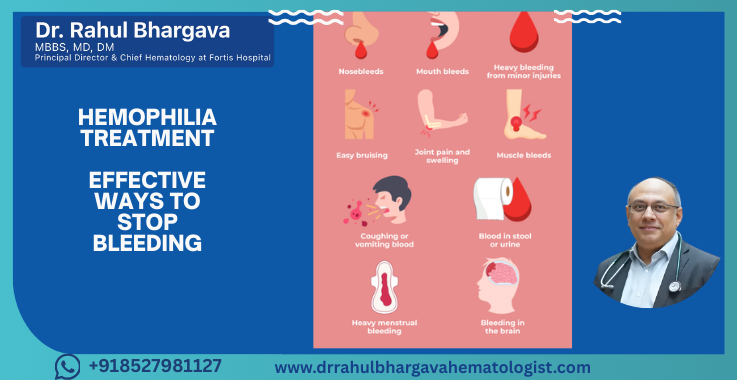
Table of Contents
Hemophilia is a genetic bleeding disorder where blood lacks the necessary clotting factors to stop bleeding effectively. For people living with hemophilia, even minor injuries can lead to prolonged bleeding, often requiring immediate medical attention. Managing hemophilia is essential to prevent serious complications, especially joint damage and internal bleeding. This guide will cover safe and effective treatments for hemophilia, practical tips for managing bleeding episodes, and insights into emerging therapies.
Understanding Hemophilia
What is Hemophilia?
Hemophilia is a hereditary disorder that affects the blood's ability to clot due to deficiencies in certain clotting factors. There are two main types:
- Hemophilia A: Caused by a deficiency in clotting factor VIII.
- Hemophilia B: Caused by a deficiency in clotting factor IX.
Both types result in similar symptoms, but the severity of symptoms can vary based on the level of the clotting factor in the blood.
Causes of Hemophilia
Hemophilia is primarily a genetic condition caused by mutations in the genes responsible for producing clotting factors VIII or IX. These mutations are often inherited but can also occur spontaneously, even if there is no family history of hemophilia. Since the genes responsible are located on the X chromosome, hemophilia predominantly affects males, while females may be carriers with milder symptoms.
Symptoms of Hemophilia
Symptoms depend on the severity of the condition, classified as mild, moderate, or severe. Key symptoms include:
- Bleeding into Joints: Often affecting knees, elbows, and ankles, this can lead to pain, swelling, and over time, joint damage.
- Easy Bruising and Prolonged Bleeding: Even minor injuries can cause excessive bleeding.
- Frequent Nosebleeds: Especially those that are difficult to control.
- Blood in Urine or Stool: Often due to internal bleeding.
- Extended Bleeding After Surgery or Dental Procedures: Normal bleeding mechanisms may fail, making it difficult to stop bleeding post-procedure.
These symptoms highlight the need for careful management and timely intervention to avoid complications.
Goals of Hemophilia Treatment
Effective hemophilia treatment aims to:
- Stop or Prevent Bleeding: Especially during or after an injury or surgery.
- Prevent Joint Damage: Since bleeding into joints is common, protecting joint health is crucial.
- Enhance Quality of Life: With regular treatment, people with hemophilia can maintain an active and fulfilling life.
By understanding these goals, patients and caregivers can make informed decisions about treatment options.
Types of Hemophilia Treatments
- Replacement Therapy
- The most common treatment, where missing clotting factors (VIII or IX) are injected into the bloodstream. This therapy can be administered:
- On-Demand: To treat bleeding episodes as they happen.
- Prophylactic: Regular infusions to prevent bleeding, especially for those with severe hemophilia.
- Replacement therapy helps manage and prevent bleeding episodes, although it may require frequent injections and carries a risk of developing antibodies (inhibitors) that reduce its effectiveness.
- The most common treatment, where missing clotting factors (VIII or IX) are injected into the bloodstream. This therapy can be administered:
- Desmopressin (DDAVP)
- A synthetic hormone used for mild cases of Hemophilia A. It stimulates the release of stored factor VIII to help control bleeding.
- Often effective for minor bleeding episodes but may not be suitable for severe cases.
- Antifibrinolytics
- These medications (like tranexamic acid) help prevent clots from breaking down too quickly, making them useful for controlling bleeding, especially after minor injuries or dental procedures.
- Gene Therapy
- An emerging treatment that aims to provide a lasting solution by correcting the underlying genetic defect. While still in experimental stages, gene therapy has shown promise in early trials, with some patients experiencing sustained levels of clotting factors.
- Innovative Treatments and Future OptionsNewer treatments like Emicizumab, a non-factor replacement therapy for Hemophilia A, offer longer-lasting protection against bleeding episodes and are less likely to cause immune reactions.
Tips for Managing Bleeding Episodes at Home
While seeking immediate medical help is essential for severe bleeding, here are a few steps to handle minor bleeding episodes safely at home:
- Apply Pressure: Direct pressure can help slow bleeding.
- Use Ice: Applying ice to the affected area reduces swelling and slows bleeding.
- Elevate the Limb: If bleeding is in a limb, elevating it above heart level can help reduce blood flow to the area.
- Seek Medical Attention: Even with minor injuries, it’s important to contact your healthcare provider if bleeding doesn’t stop quickly.
These methods can help minimize bleeding but shouldn’t replace medical treatment if bleeding persists.
Importance of Regular Monitoring and Consultation
Ongoing consultation with a hemophilia specialist, such as Dr. Rahul Bhargava, is essential. Regular check-ups help track treatment efficacy, monitor joint health, and adjust treatment as needed. Personalized care ensures that each patient’s unique needs are met, minimizing complications and enhancing their quality of life.
Common Misconceptions about Hemophilia Treatment
Some believe that people with hemophilia cannot lead active lives or engage in physical activities. With proper treatment and care, individuals with hemophilia can participate in many physical activities and lead fulfilling lives. Understanding the reality of hemophilia management is crucial for those affected and their families.
Lifestyle Tips for People with Hemophilia
- Nutrition: A balanced diet with foods that support bone and blood health can be beneficial.
- Physical Activity: Safe exercises, especially low-impact ones like swimming or walking, are encouraged to maintain joint health.
- Mental Health: Living with hemophilia can be challenging, so mindfulness practices, therapy, or joining support groups can be invaluable for emotional well-being.
Conclusion
Hemophilia treatment has advanced significantly, allowing people with this condition to manage bleeding episodes and live active lives. From replacement therapies to cutting-edge gene therapy, a range of options can be tailored to each individual's needs. For those living with hemophilia, consulting a specialist like Dr. Rahul Bhargava is essential for personalized, comprehensive care. With the right treatment and lifestyle choices, people with hemophilia can achieve a high quality of life and minimize complications.
While MS presents ongoing challenges, advancements in treatment continue to offer new hope, empowering patients to live fuller, more active lives. Remember, understanding and proactive management are essential to gaining control over MS and moving forward with confidence.
Frequently Asked Questions
The safest hemophilia treatment to stop bleeding is clotting factor replacement therapy, which quickly restores missing factors VIII or IX to control bleeding episodes.
Mild bleeding in hemophilia can often be managed with the R.I.C.E. method (Rest, Ice, Compression, Elevation) and, when prescribed, factor infusion at home
Prophylaxis for hemophilia is the regular infusion of clotting factors to prevent bleeding before it occurs, reducing joint damage and long-term complications.
Yes, gene therapy for hemophilia offers long-term correction by enabling the body to produce its own clotting factor, significantly reducing bleeding episodes.
Seek emergency help for severe hemophilia bleeding, such as head injury, uncontrollable bleeding, swollen joints, abdominal pain, or suspected internal bleeding.