How Blood Cancer Is Diagnosed Early: A Detailed Guide to Recognizing Symptoms, Tests, and Timely Medical Evaluation
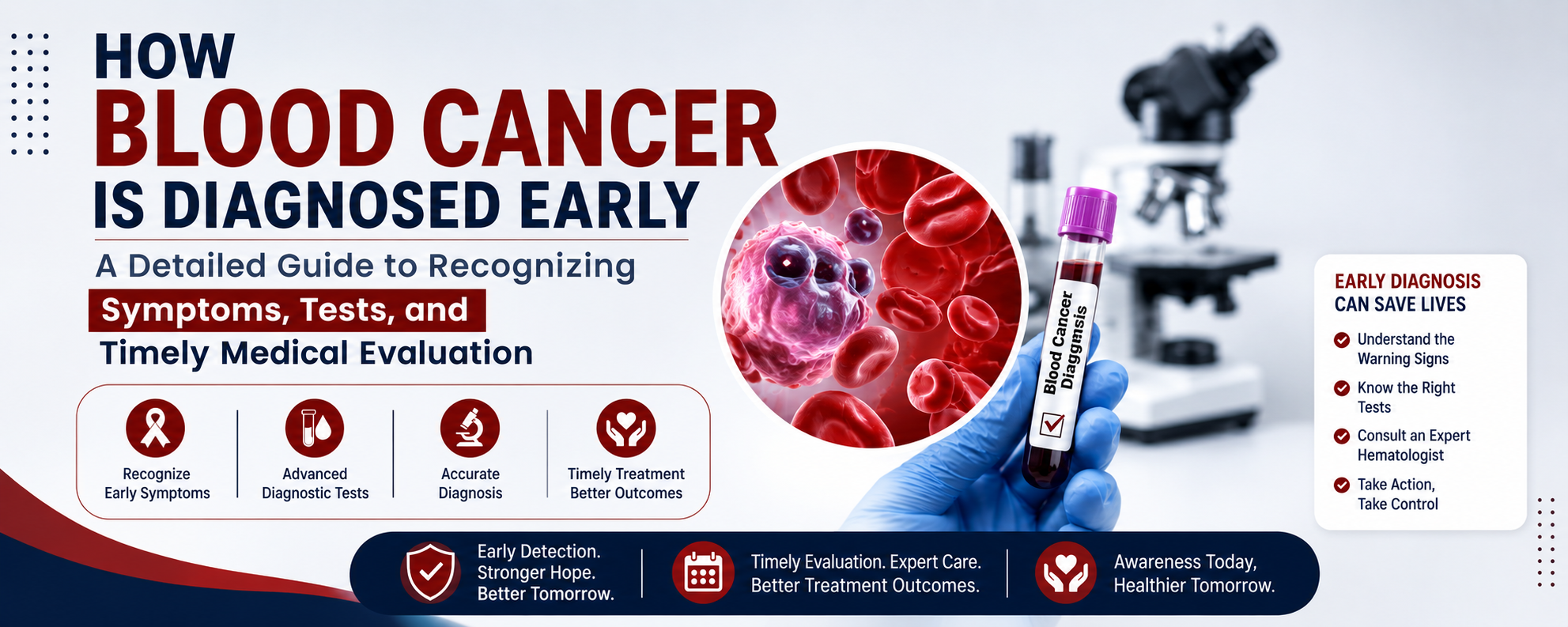
Table of Contents
Blood cancer is one of the most serious health conditions affecting the blood, bone marrow, and lymphatic system. It develops when abnormal blood cells begin growing uncontrollably, interfering with the normal production and function of healthy blood cells. Because blood cancer often begins silently, many patients ignore the early warning signs until the disease progresses. Early diagnosis plays a critical role in improving treatment success, reducing complications, and increasing survival rates.
Unlike many solid tumors that form visible lumps, blood cancers often spread through the bloodstream or bone marrow, making early identification more dependent on symptoms, laboratory findings, and specialized investigations. The good news is that modern hematology has made early diagnosis much more accurate through advanced blood tests, imaging, bone marrow studies, and molecular diagnostics.
This guide explains in detail how blood cancer is diagnosed early, what symptoms should never be ignored, which tests doctors recommend, and why consulting a hematologist at the right time can make a major difference.
Understanding Blood Cancer Before Diagnosis
Blood cancer refers to cancers that affect blood-forming tissues, especially the bone marrow and lymphatic system. The major types include:
Each type affects blood cells differently:
- Leukemia mainly involves white blood cells
- Lymphoma affects lymphocytes and lymph nodes
- Multiple myeloma affects plasma cells in bone marrow
In the early stages, these cancers may produce mild symptoms that resemble common infections, weakness, or nutritional deficiencies. This is why many cases remain undetected until routine blood testing reveals abnormalities.
Why Early Diagnosis of Blood Cancer Is Often Difficult
One major reason blood cancer can remain unnoticed is that early symptoms are often vague and non-specific. Patients may experience:
- Fatigue
- Mild fever
- Body weakness
- Frequent infections
- Weight loss
- Bone pain
These symptoms are commonly mistaken for viral illness, stress, anemia, or nutritional weakness.
However, persistent symptoms without clear explanation require proper medical evaluation because early detection can significantly improve outcomes.
Early Warning Signs That May Suggest Blood Cancer
Persistent Fatigue That Does Not Improve
One of the earliest symptoms is unusual fatigue. This happens because abnormal blood cells interfere with normal red blood cell production, reducing oxygen delivery throughout the body.
A person may feel:
- Tired despite adequate sleep
- Weak during simple daily activities
- Breathless while climbing stairs
- Difficulty concentrating
When fatigue continues despite iron supplements or rest, further blood testing becomes important.
Frequent Fever or Recurrent Infections
Abnormal white blood cells in blood cancer do not function properly, weakening the immune system.
Patients may develop:
- Repeated fever
- Frequent throat infections
- Chest infections
- Slow recovery from common illnesses
When infections become unusually frequent, doctors often investigate blood counts.
Unexplained Bruising or Bleeding
Low platelet counts are common in blood cancers because bone marrow function becomes disturbed.
Early signs include:
- Easy bruising
- Gum bleeding
- Nosebleeds
- Heavy menstrual bleeding
- Tiny red spots on skin (petechiae)
These signs often lead to early blood testing.
Enlarged Lymph Nodes
Painless swelling in:
- Neck
- Armpit
- Groin
can indicate lymphoma or leukemia.
Many patients notice persistent swelling that does not reduce over weeks.
Bone Pain or Joint Pain
Bone marrow expansion due to abnormal cells may cause:
- Deep bone pain
- Back pain
- Hip pain
- Leg discomfort
This symptom is common in leukemia and multiple myeloma.
Unexplained Weight Loss
Sudden weight loss without dieting should always be medically evaluated.
Cancer cells consume energy rapidly, leading to:
- Loss of appetite
- Reduced body weight
- Muscle weakness
Night Sweats
Heavy night sweating, especially with fever or weight loss, can indicate lymphoma.
First Step in Early Diagnosis: Complete Blood Count (CBC)
The most common and important first investigation is a Complete Blood Count.
CBC evaluates:
- Hemoglobin
- White blood cells
- Platelets
Abnormal findings may include:
- Very high white blood cells
- Very low platelets
- Low hemoglobin
- Presence of immature cells
Even routine health checkups often detect early blood cancer through CBC abnormalities.
Peripheral Blood Smear Examination
If CBC appears abnormal, doctors examine blood under a microscope.
This helps identify:
- Abnormal blast cells
- Immature white cells
- Distorted blood cell shape
A peripheral smear often provides the first major clue.
Bone Marrow Examination: The Most Important Confirmatory Test
When blood cancer is suspected, bone marrow examination becomes essential.
A small sample is taken from the hip bone.
This helps assess:
- Bone marrow cell pattern
- Cancer cell percentage
- Type of abnormal cells
Two procedures are done:
Bone Marrow Aspiration
Liquid marrow sample
Bone Marrow Biopsy
Solid marrow tissue sample
These tests confirm diagnosis with high accuracy.
Flow Cytometry: Advanced Cell Analysis
Flow cytometry identifies specific cancer cell markers.
It helps determine:
- Exact leukemia type
- Cell origin
- Treatment planning
This test is crucial because treatment depends on cancer subtype.
Cytogenetic and Molecular Testing
Modern blood cancer diagnosis now includes genetic studies.
These detect chromosome abnormalities and mutations.
Examples include:
- Philadelphia chromosome
- FLT3 mutation
- NPM1 mutation
These markers help doctors predict:
- Disease aggressiveness
- Response to therapy
- Risk category
Imaging Tests Used for Early Diagnosis
Although blood cancers mainly affect blood and marrow, imaging is often needed.
CT Scan
Used to check:
- Enlarged lymph nodes
- Organ enlargement
PET Scan
Helps detect lymphoma spread.
MRI
Useful when bone involvement is suspected.
Special Tests for Multiple Myeloma Detection
For suspected multiple myeloma, doctors may also order:
- Serum protein electrophoresis
- Free light chain assay
- Urine protein analysis
These detect abnormal proteins produced by cancer cells.
When Should Someone See a Hematologist?
A hematologist should be consulted if any of these persist:
- Low hemoglobin repeatedly
- High white blood cells
- Low platelets
- Unexplained fever
- Persistent lymph node swelling
- Frequent infections
Specialist evaluation prevents delay.
Why Routine Health Checkups Help Detect Blood Cancer Early
Many patients are diagnosed before symptoms become severe because of routine blood tests.
A yearly CBC can detect:
- Hidden blood abnormalities
- Early marrow changes
- Silent disease progression
This is especially important after age 35.
How Early Diagnosis Improves Treatment Success
Early-stage diagnosis allows:
- Faster treatment initiation
- Lower disease burden
- Better response to therapy
- Lower complication risk
Many blood cancers today are highly treatable when detected early.
Modern Treatment Depends on Accurate Diagnosis
After diagnosis, treatment may include:
- Chemotherapy
- Targeted therapy
- Immunotherapy
- Bone marrow transplant
- CAR-T Cell Therapy
Precise diagnosis determines which treatment is best.
Importance of Expert Hematology Care
Blood cancers require highly specialized interpretation of reports.
An experienced hematologist can:
- Identify subtle abnormalities
- Recommend advanced testing
- Start treatment at the right stage
- Prevent disease progression
Expert Care Under Dr. Rahul Bhargava
Dr. Rahul Bhargava is one of India’s leading hematologists with extensive expertise in diagnosing and treating complex blood disorders, leukemia, lymphoma, myeloma, aplastic anemia, and bone marrow failure syndromes. His approach combines advanced laboratory diagnostics, molecular testing, and personalized treatment planning for patients from India and abroad.
Patients with persistent anemia, abnormal blood counts, unexplained infections, recurrent fever, or suspected blood cancer should seek early specialist evaluation because timely diagnosis often changes treatment outcomes significantly.
Final Thoughts
Blood cancer does not always present dramatically in the beginning. Sometimes the body gives subtle warnings for months. Ignoring persistent fatigue, bruising, recurrent fever, or abnormal blood reports can delay diagnosis.
Early diagnosis begins with awareness, followed by proper blood testing and specialist consultation. Modern hematology now allows doctors to detect blood cancers much earlier than before, giving patients a stronger chance for successful treatment and long-term recovery.
Frequently Asked Questions
The first test doctors usually recommend is a Complete Blood Count (CBC). This blood test checks hemoglobin, white blood cells, and platelet levels. Abnormal values often give the first indication that further evaluation is needed for possible blood disorders or blood cancer.
Yes, many blood cancers are first suspected during a routine blood test. Abnormal white blood cell counts, low hemoglobin, low platelets, or immature blood cells may indicate the need for further hematology evaluation.
Symptoms that should never be ignored include:
-
Persistent fatigue
-
Frequent fever
-
Unexplained bruising
-
Recurrent infections
-
Enlarged lymph nodes
-
Bone pain
-
Unexplained weight loss
If these symptoms continue for several weeks, medical evaluation becomes important.
Yes, in many cases a bone marrow biopsy is the most important confirmatory test. It helps doctors examine bone marrow cells directly and identify the exact type of blood cancer.
Yes, many patients are diagnosed early before major symptoms develop, especially during routine health checkups. Early-stage blood cancer may only show mild blood count abnormalities.