Low Hemoglobin in Women: Early Signs and Symptoms

Table of Contents
Introduction
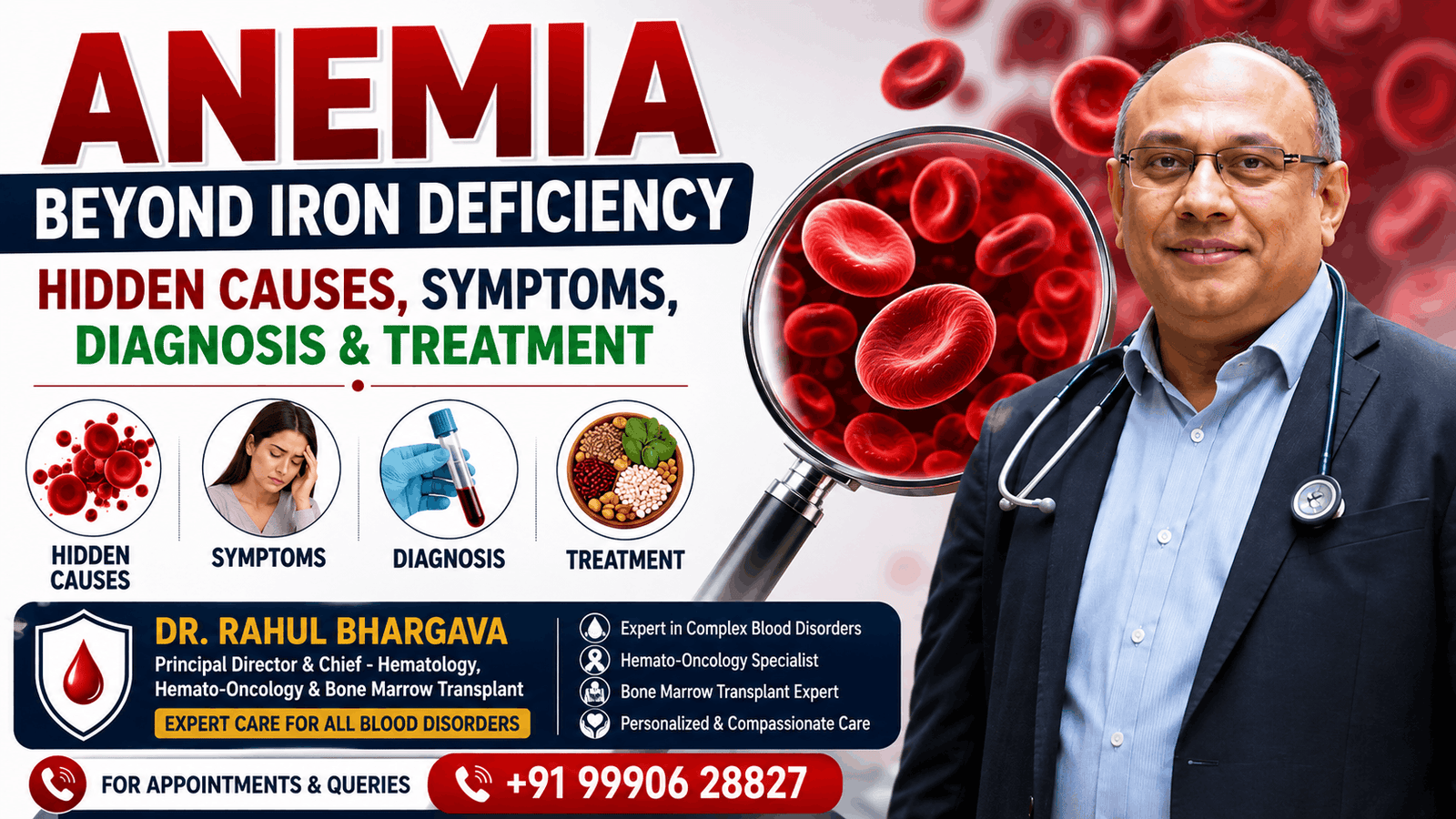
Low hemoglobin levels, also known as anemia, are a common health concern, particularly among women. Hemoglobin is the protein in red blood cells that carries oxygen from the lungs to the rest of the body. When hemoglobin levels fall below normal, it can lead to a range of symptoms that affect daily life. Women, due to their unique biological factors, are more susceptible to low hemoglobin levels. In this blog, we’ll discuss the early signs and symptoms of low hemoglobin in women, how it is diagnosed, and how you can manage and treat this condition.
Dr. Rahul Bhargava's Clinic, we specialize in diagnosing and treating low hemoglobin and other blood-related issues. Read on to learn more about the signs you should watch out for, and how expert care can help.
Hemoglobin is a vital protein found in red blood cells that helps transport oxygen from your lungs to the rest of your body. It also plays a role in returning carbon dioxide from the body back to the lungs. When hemoglobin levels drop too low, your body can’t get the oxygen it needs to function efficiently, leading to fatigue and other health issues.
For women, maintaining healthy hemoglobin levels is crucial due to factors like menstruation, pregnancy, and dietary choices. Low hemoglobin can significantly affect your quality of life, causing tiredness, dizziness, and even complications in pregnancy.
There are several reasons why women are at risk of developing low hemoglobin levels. Understanding these causes is the first step in prevention and treatment.
- Iron Deficiency: Iron is the key nutrient required for hemoglobin production. Women are more likely to experience iron deficiency due to blood loss during menstruation, pregnancy, and breastfeeding. A lack of iron in the diet is also a common cause.
- Heavy Menstrual Periods: Menstrual bleeding can cause significant blood loss in women, especially if periods are unusually heavy or prolonged. This can lead to a drop in hemoglobin levels.
- Pregnancy and Postpartum: During pregnancy, the body needs more iron to support the growing fetus. Women are at increased risk of iron deficiency anemia if they don’t get enough iron in their diet or through supplements. Postpartum bleeding can also contribute to low hemoglobin.
- Dietary Factors: Poor nutrition, including diets low in iron, folic acid, and vitamin B12, can lead to low hemoglobin levels. Vegetarians and vegans, for example, may need to pay extra attention to their iron intake.
- Underlying Health Conditions: Conditions like hypothyroidism, chronic kidney disease, and gastrointestinal disorders (e.g., celiac disease) can interfere with the absorption of iron and nutrients, leading to anemia.
- Other Risk Factors: Women with a family history of anemia, those who have undergone surgery, or those who engage in heavy physical activity may also be at higher risk.
Low hemoglobin can lead to several symptoms, many of which can easily be overlooked in the early stages. Here are the common signs women should be aware of:
- Fatigue and Weakness: One of the earliest and most noticeable signs of low hemoglobin is fatigue. You may feel more tired than usual or experience a lack of energy, even after a full night’s rest.
- Paleness and Pale Skin: Reduced hemoglobin levels can cause your skin to look pale, especially in the face and hands. You may also notice paleness in the inside of your eyelids.
- Shortness of Breath: As your hemoglobin level drops, your body struggles to transport enough oxygen, causing you to feel short of breath, especially during physical activity.
- Dizziness or Lightheadedness: Low oxygen levels can make you feel dizzy or lightheaded. In severe cases, you might even faint.
- Cold Hands and Feet: Poor circulation caused by low hemoglobin can make your extremities feel unusually cold.
- Heart Palpitations: The heart compensates for low hemoglobin by working harder to pump oxygenated blood throughout the body. This can lead to a feeling of rapid or irregular heartbeats.
- Headaches: Insufficient oxygen can trigger frequent or persistent headaches.
- Cravings for Non-Food Items (Pica): Some individuals with iron deficiency may develop cravings for non-food items like dirt, chalk, or ice. This condition is known as pica.
If you suspect you have low hemoglobin, it’s important to consult a healthcare professional for proper diagnosis. A blood test, specifically a complete blood count (CBC), is commonly used to measure your hemoglobin levels. Your doctor may also recommend other tests to identify the underlying cause of low hemoglobin, such as iron studies, ferritin levels, or tests for vitamin B12 and folic acid.
Once diagnosed, low hemoglobin can be treated in a number of ways, depending on the cause. Here are the most common treatment options:
- Iron Supplements: If iron deficiency is the cause, iron supplements are often prescribed to help restore normal levels. It’s important to follow your doctor’s guidance on dosage and timing to ensure proper absorption.
- Dietary Changes: Eating iron-rich foods like spinach, red meat, beans, lentils, and fortified cereals can help boost hemoglobin levels. Additionally, foods rich in vitamin C, such as oranges and bell peppers, can help with iron absorption.
- Vitamin and Mineral Support: In addition to iron, folic acid and vitamin B12 are important for healthy red blood cell production. A balanced diet or supplementation can help ensure you’re getting the nutrients you need.
- Treatment for Underlying Conditions: If your low hemoglobin is due to another condition, such as hypothyroidism or gastrointestinal issues, treating the underlying problem is essential.
- Medical Procedures: In severe cases, blood transfusions or iron infusions may be necessary to quickly replenish hemoglobin levels.
At Dr. Rahul Bhargava's Clinic, we specialize in diagnosing and treating low hemoglobin levels and related blood disorders. Our expert team conducts thorough assessments, including blood tests and detailed consultations, to determine the root cause of your anemia. We offer personalized treatment plans, including dietary recommendations, supplementation, and follow-up care to ensure optimal results.
If you’re experiencing any of the symptoms mentioned, we encourage you to schedule an appointment with us. Early detection and treatment can significantly improve your quality of life.
Prevention is always better than treatment. Here are some tips to help prevent low hemoglobin levels:
- Maintain a Balanced Diet: Include iron-rich foods like leafy greens, lean meats, beans, and fortified cereals in your diet. Don't forget vitamin C-rich foods to improve iron absorption.
- Regular Health Check-ups: If you have heavy periods, a history of anemia, or any other risk factors, regular screenings are crucial.
- Manage Menstrual Health: If you have heavy or irregular periods, consult your doctor for ways to manage blood loss. Treatments may include hormonal therapies or other medications.
- Consider Supplements: If you have dietary restrictions or are pregnant, talk to your doctor about iron or vitamin supplements.Low hemoglobin in women can lead to a range of symptoms that affect your daily life, but early detection and treatment can help manage the condition effectively. If you experience any of the symptoms discussed, it’s important to seek medical advice from a healthcare provider. At Dr. Rahul Bhargava's Clinic, we are committed to providing the best care for women suffering from low hemoglobin. Don’t wait—take action today to improve your health and well-being.
Frequently Asked Questions
Early low hemoglobin symptoms in women include fatigue, pale skin, dizziness, shortness of breath, and rapid heartbeat
Common causes of low hemoglobin in women include heavy menstrual bleeding, iron deficiency, pregnancy, poor diet, and chronic illnesses.
Women can improve hemoglobin levels naturally by consuming iron-rich foods, vitamin C, folate, and maintaining balanced nutrition.
A woman should get a hemoglobin test if she experiences prolonged fatigue, weakness, heavy periods, or unexplained dizziness.
Yes, untreated low hemoglobin in women can cause severe anemia, heart strain, pregnancy complications, and reduced immunity.