Critical Role of Hemoglobin and its Impact on Your Health
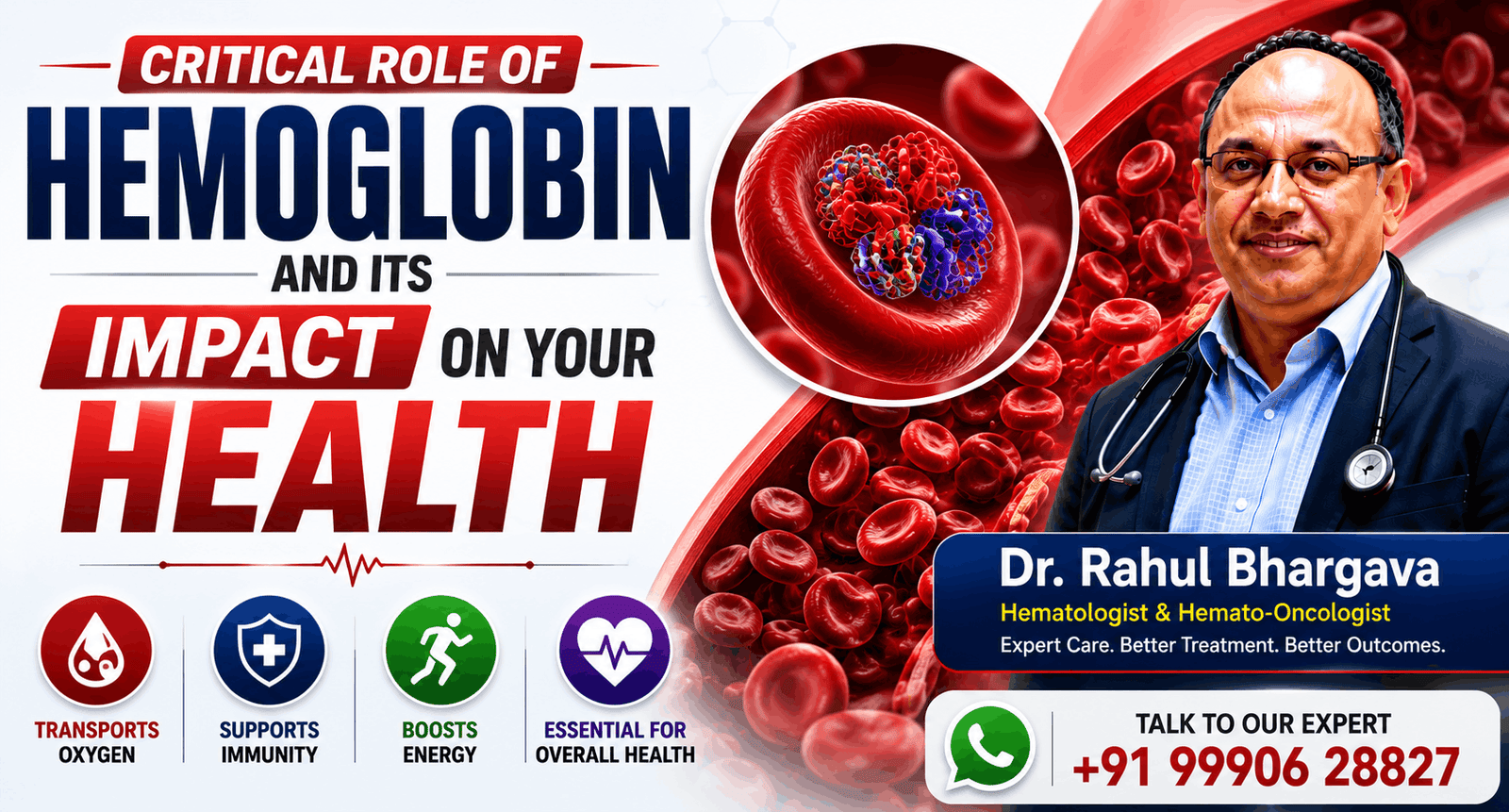
Table of Contents
Hemoglobin is a vital protein in red blood cells that carries oxygen throughout your body. Without enough hemoglobin, your body’s cells and organs don’t get the oxygen they need, leading to a wide range of health issues. Low hemoglobin levels, often linked to conditions like anemia, can severely affect your overall well-being. Yet many people are unaware of low hemoglobin symptoms or the causes behind them.
If you’ve been feeling unusually fatigued or dizzy, it might be due to low hemoglobin levels. Understanding low hemoglobin symptoms is the first step to addressing the issue. In this article, we’ll explore what hemoglobin does, what happens when its levels drop, and how to recognize the symptoms of low hemoglobin to protect your health.
What is Hemoglobin and Why is it Important?
Hemoglobin is a protein found in red blood cells that binds to oxygen, allowing it to travel from your lungs to the rest of your body. It also helps return carbon dioxide from your tissues to the lungs, where it’s exhaled. This constant exchange is essential for life and for keeping your cells functioning properly.
Hemoglobin’s primary role is to ensure your body’s cells get the oxygen they need for energy and cellular function. When hemoglobin levels drop, your cells receive less oxygen, leading to a variety of low hemoglobin symptoms that can impact everything from muscle strength to brain function.
Understanding Low Hemoglobin
Low hemoglobin, often referred to as anemia, happens when the body doesn’t have enough red blood cells to effectively transport oxygen. Several factors can lead to this, such as:
- Nutritional Deficiencies: Iron, vitamin B12, and folate are essential for producing hemoglobin. If your diet lacks these nutrients, your body may produce fewer red blood cells.
- Chronic Conditions: Diseases like kidney disease, cancer, and autoimmune disorders can reduce hemoglobin production.
- Blood Loss: Significant blood loss due to surgery, injury, or heavy menstruation can lower hemoglobin levels.
Common Misconception: Many believe that low hemoglobin is only caused by iron deficiency. However, other factors, such as chronic illnesses or bone marrow disorders, can also lead to low hemoglobin and the associated low hemoglobin symptoms.
Low Hemoglobin Symptoms
Symptoms of low hemoglobin can be subtle at first and are often mistaken for general fatigue or stress. However, they can worsen over time if left untreated. Recognizing these low hemoglobin symptoms early is crucial for timely treatment.
Physical Symptoms
- Fatigue and Weakness: One of the most common early low hemoglobin symptoms is persistent tiredness. Without enough oxygen, your body can’t generate the energy it needs, leading to constant fatigue.
- Shortness of Breath: You might find yourself getting winded after light activities, like walking or climbing stairs, as your body struggles to get enough oxygen.
- Dizziness or Lightheadedness: A lack of oxygen to the brain can cause dizziness or even fainting.
- Pale or Yellowish Skin: Hemoglobin gives red blood cells their color. When levels drop, your skin may become pale or develop a yellowish tint.
- Chest Pain or Rapid Heartbeat: Your heart may pump harder to compensate for low oxygen levels, leading to chest pain or a fast heartbeat.
Behavioral Symptoms
- Difficulty Concentrating: Your brain needs a constant supply of oxygen to function properly. Low hemoglobin levels can make it harder to focus, leading to forgetfulness or reduced cognitive performance.
- Irritability: When your brain isn’t getting enough oxygen, it can affect your mood, causing irritability or anxiety.
- Severity of Symptoms: The severity of these low hemoglobin symptoms depends on how low your hemoglobin levels are. Mild cases may go unnoticed, but more severe anemia can lead to serious health problems.
Health Risks of Low Hemoglobin
Ignoring low hemoglobin symptoms can lead to various short-term and long-term health risks.
Short-Term Health Risks
- Extreme Fatigue: Persistent fatigue can make even simple tasks feel exhausting.
- Risk of Falls or Fainting: Dizziness and shortness of breath increase your chances of fainting, which can lead to accidents.
Long-Term Health Impacts
- Heart Problems: Long-term low hemoglobin can put extra strain on your heart, potentially leading to heart failure, irregular heartbeat, or an enlarged heart.
- Weakened Immune System: Low hemoglobin can weaken your immune system, making you more prone to infections.
- Pregnancy Complications: Low hemoglobin during pregnancy can increase the risk of premature birth or low birth weight.
- Medical Conditions Linked to Low Hemoglobin: Chronic conditions like anemia, kidney disease, and autoimmune disorders can cause or worsen low hemoglobin symptoms, so careful management is essential to prevent long-term complications.
Treatment Options for Low Hemoglobin
Once low hemoglobin is diagnosed, treatment depends on the underlying cause.
Dietary Changes
- Iron-Rich Foods: Incorporating foods like lean meats, leafy greens, beans, and fortified cereals can help increase hemoglobin levels. Iron is essential for producing hemoglobin.
- Vitamin B12 and Folate: These nutrients, found in dairy products, eggs, and leafy greens, are also vital for red blood cell production.
Medical Treatments
- Iron Supplements: If you have iron-deficiency anemia, your doctor may recommend oral or intravenous iron supplements.
- Medications: Some medications can help stimulate red blood cell production or manage underlying conditions that contribute to low hemoglobin.
- Blood Transfusions: In severe cases of anemia, a blood transfusion may be necessary to quickly boost hemoglobin levels.
Lifestyle Recommendations
- Regular Exercise: Gentle physical activity, such as walking or yoga, can improve circulation and help oxygen delivery throughout your body.
Prevention and Management Tips
- Balanced Diet: A diet rich in iron, folate, and vitamin B12 can help prevent low hemoglobin symptoms from developing.
- Regular Check-Ups: If you have a chronic condition or are at risk for anemia, regular blood tests can help detect and manage low hemoglobin early.
- Managing Chronic Conditions: Keeping underlying conditions like kidney disease or autoimmune disorders under control can prevent complications with hemoglobin levels.
Low hemoglobin can affect nearly every aspect of your health, from energy levels to heart function. Recognizing the low hemoglobin symptoms and understanding the causes of low hemoglobin is crucial for taking action before more serious complications arise. By maintaining a balanced diet, seeking medical advice when needed, and managing chronic conditions, you can keep your hemoglobin levels in a healthy range and protect your overall well-being.
Frequently Asked Questions
Hemoglobin is a vital protein in red blood cells responsible for carrying oxygen, and healthy hemoglobin levels are essential for energy, immunity, and organ function.
Low hemoglobin symptoms include fatigue, dizziness, pale skin, shortness of breath, and rapid heartbeat — all indicators of anemia
Common causes of low hemoglobin include iron deficiency, vitamin B12 or folate deficiency, blood loss, chronic illness, and certain genetic conditions
Eating iron-rich foods, taking vitamin B12 and folate, improving diet quality, and treating underlying conditions can naturally boost hemoglobin levels
Adults should check hemoglobin at least once a year, but those with anemia, chronic illness, pregnancy, or fatigue-related symptoms may need more frequent testing.