Neuroblastoma Treatment in India
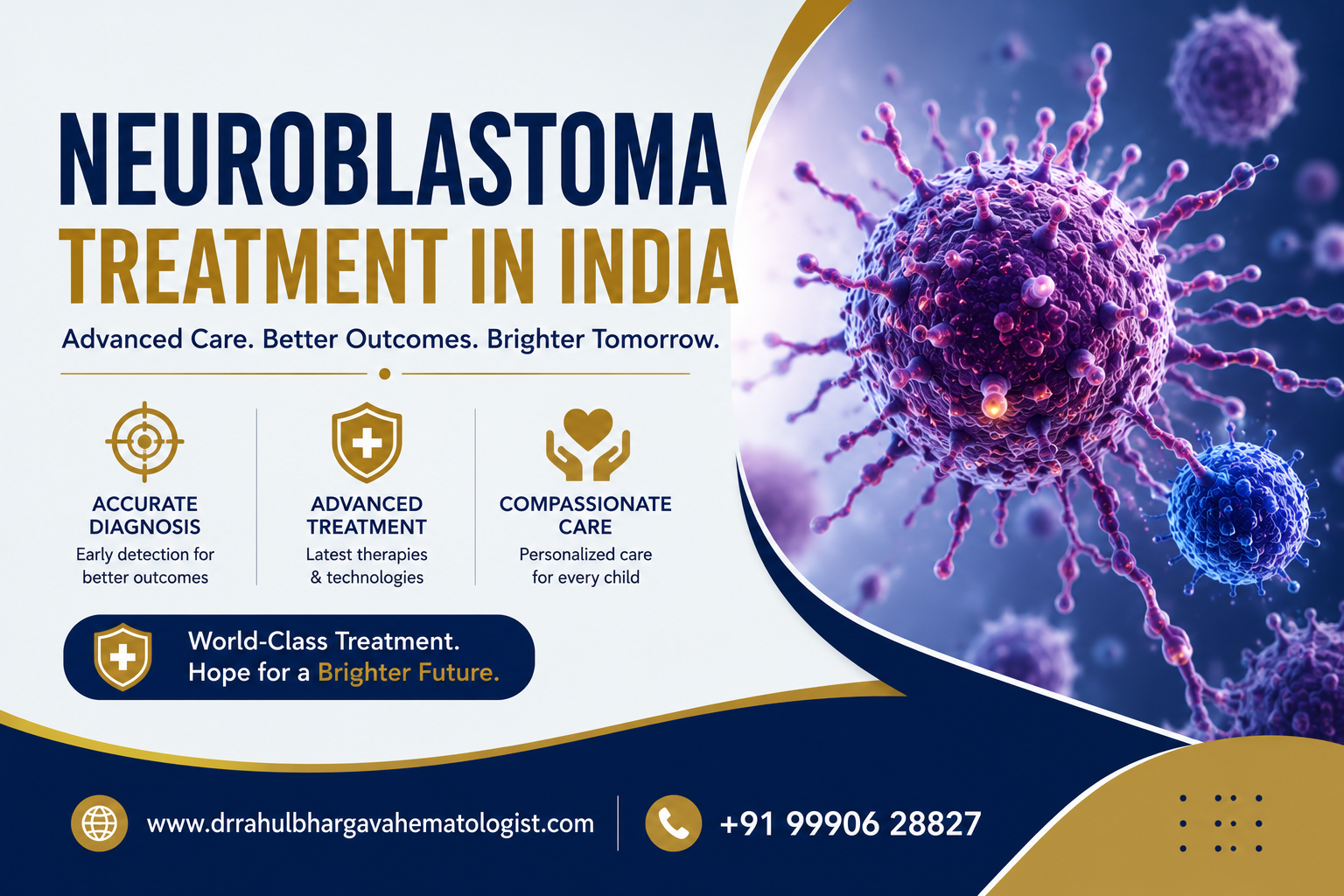
Neuroblastoma is a rare childhood cancer that originates in immature nerve cells, most commonly affecting infants and children under the age of five. It is the most frequently diagnosed solid tumor outside the brain in children. This cancer develops in the sympathetic nervous system, which controls many involuntary body functions. Neuroblastoma most often begins in the adrenal glands located above the kidneys but can also arise in nerve tissue along the spine, as well as in the abdomen, chest, neck, or pelvis. Early diagnosis and timely treatment play a crucial role in improving outcomes and increasing the chances of successful recovery.
What is Neuroblastoma?
Neuroblastoma is a malignant tumor that originates from immature nerve cells called neuroblasts. These cells are part of the developing sympathetic nervous system, which regulates involuntary bodily functions such as heart rate, blood pressure, digestion, and stress responses. Normally, neuroblasts mature into healthy nerve cells before birth. However, when genetic changes disrupt this maturation process, the immature cells continue to multiply, leading to the formation of tumors.
Unlike many adult cancers, neuroblastoma primarily affects children. It is most commonly diagnosed in children younger than five years old, with the highest incidence occurring in infants. In rare cases, the disease may even be detected before birth through routine prenatal ultrasound examinations.
Although neuroblastoma most frequently originates in the adrenal glands, tumors may also develop in:
- Abdomen
- Chest (mediastinum)
- Neck
- Pelvis
- Along the spinal sympathetic chain
The behavior of neuroblastoma varies considerably. Some low-risk tumors may regress spontaneously without intensive treatment, whereas high-risk neuroblastoma can spread rapidly and require aggressive multimodal therapy.
Types of Neuroblastoma
Doctors classify neuroblastoma according to its location, biological characteristics, and risk category. Understanding the type of tumor helps determine the most appropriate treatment plan.
1. Localized Neuroblastoma
Localized neuroblastoma remains confined to its site of origin without spreading to distant organs. These tumors are often amenable to complete surgical removal and generally have an excellent prognosis.
2. Regional Neuroblastoma
In regional disease, the cancer extends into nearby lymph nodes or surrounding tissues but has not metastasized to distant organs. Treatment usually combines surgery with chemotherapy, depending on tumor size and location.
3. Metastatic Neuroblastoma
Metastatic neuroblastoma has spread beyond the primary tumor to organs such as:
- Bone marrow
- Bones
- Liver
- Lymph nodes
- Skin
Children with metastatic disease generally require intensive multimodal treatment involving chemotherapy, surgery, radiation therapy, immunotherapy, and, in selected cases, stem cell transplantation.
4. Low-Risk Neuroblastoma
Low-risk neuroblastoma usually grows slowly and may occasionally regress spontaneously. Many children can be treated successfully with surgery alone or careful observation.
5. Intermediate-Risk Neuroblastoma
Intermediate-risk disease requires a combination of surgery and chemotherapy. The overall prognosis remains favorable with appropriate treatment.
6. High-Risk Neuroblastoma
High-risk neuroblastoma is the most aggressive form of the disease. It often presents with widespread metastases and specific genetic abnormalities, such as MYCN gene amplification. Treatment typically involves intensive chemotherapy, surgery, high-dose chemotherapy with stem cell rescue, radiation therapy, immunotherapy, and long-term follow-up care.
Causes of Neuroblastoma
The exact cause of neuroblastoma remains unknown. Researchers believe that the disease develops when immature nerve cells undergo genetic alterations that interfere with their normal maturation process. Instead of developing into healthy nerve tissue, these abnormal cells continue to divide uncontrollably, eventually forming malignant tumors.
Unlike many adult cancers, neuroblastoma is not caused by lifestyle habits, environmental pollution, or dietary factors.
Most cases occur sporadically without a family history. However, a small percentage of children inherit genetic mutations that increase susceptibility to developing neuroblastoma.
Some risk factors include:
- Genetic mutations: Some children inherit genetic mutations that increase the likelihood of developing Neuroblastoma.
- Family history: If a close family member has had Neuroblastoma, the risk may be higher, though it is still quite rare.
- Age: Most cases occur in children under the age of 5, with the peak incidence occurring before the age of 2.
Symptoms of Neuroblastoma
The signs and symptoms of neuroblastoma vary depending on the size of the tumor, its location, and whether it has spread to other organs.
Common symptoms include:
- Persistent abdominal swelling or a noticeable abdominal mass
- Pain or tenderness in the abdomen
- Loss of appetite
- Unexplained weight loss
- Fatigue and weakness
- Persistent fever without infection
- Bone pain or limping
- Swelling around the eyes
- Dark circles around the eyes (raccoon eyes)
- Difficulty walking
- Back pain
- Chest pain or breathing difficulties
- Persistent cough
- Neck swelling
- Constipation
- High blood pressure
- Excessive sweating
- Irritability in infants
- Reduced activity levels
Children with advanced disease may also develop anemia, recurrent infections, bruising, or bleeding due to bone marrow involvement. Parents should seek immediate medical evaluation if these symptoms persist or worsen, as early diagnosis significantly improves treatment outcomes.
How is Neuroblastoma Diagnosed?
Accurate diagnosis is essential for determining the stage of disease and selecting the most effective treatment strategy. Pediatric oncology specialists use multiple investigations to confirm the diagnosis and assess the extent of cancer.
Medical History and Physical Examination
The evaluation begins with a detailed medical history, family history, and thorough physical examination to identify any visible masses, enlarged lymph nodes, neurological abnormalities, or signs of metastatic disease.
Blood Tests
Routine blood investigations help evaluate overall health, liver and kidney function, blood cell counts, and biochemical markers associated with neuroblastoma.
Urine Tests
Most neuroblastoma tumors produce elevated levels of catecholamine metabolites such as:
- Vanillylmandelic Acid (VMA)
- Homovanillic Acid (HVA)
These urine tests are valuable screening tools and help monitor treatment response.
Imaging Studies
Advanced imaging plays a critical role in diagnosis and staging.
Common imaging investigations include:
- Ultrasound
- Contrast-enhanced CT Scan
- MRI Scan
- PET-CT Scan
- MIBG Scan (Metaiodobenzylguanidine Scan)
These imaging techniques determine the tumor's size, location, relationship to nearby organs, and spread to distant sites.
Tumor Biopsy
A biopsy remains the gold standard for confirming neuroblastoma. Tissue obtained from the tumor is examined under a microscope and undergoes molecular and genetic testing to determine tumor biology and risk classification.
Bone Marrow Examination
Bone marrow aspiration and biopsy are performed to detect whether the cancer has spread to the bone marrow, particularly in children with suspected high-risk disease.
Following these investigations, specialists assign a risk category and develop an individualized treatment plan based on the child's age, stage of disease, tumor biology, and overall health.
Neuroblastoma Treatment Options in India
The treatment of neuroblastoma depends on various factors, including the child's age, the tumor's location, the cancer stage, genetic characteristics (such as MYCN amplification), and the child's overall health. Pediatric oncologists employ a multidisciplinary approach, working with pediatric hemato-oncologists, surgical oncologists, radiation oncologists, radiologists, pathologists, rehabilitation specialists, and supportive care teams to achieve the best possible outcomes..
Treatment may involve one or a combination of therapies depending on the child's risk category.
1. Surgery for Neuroblastoma
Surgery is often the primary treatment for children with localized or low-risk neuroblastoma. The goal is to remove the tumor completely while preserving nearby organs, nerves, and blood vessels whenever possible.
The surgical approach depends on the tumor's location and size. Some tumors can be removed entirely during the first operation, while larger tumors may first require chemotherapy to shrink them before surgery.
Benefits of surgery include:
- Complete removal of localized tumors
- Relief from pressure on surrounding organs
- Accurate pathological diagnosis
- Improved long-term survival
- Reduced need for additional treatment in selected low-risk cases
Children are closely monitored after surgery to ensure proper healing and recovery.
2. Chemotherapy
Chemotherapy is one of the most important treatments for intermediate-risk and high-risk neuroblastoma. Anti-cancer medications destroy rapidly dividing cancer cells throughout the body.
Chemotherapy may be given:
- Before surgery (Neoadjuvant Chemotherapy)
- After surgery (Adjuvant Chemotherapy)
- For metastatic disease
- Before stem cell transplantation
- For recurrent neuroblastoma
Treatment is administered in cycles, allowing the child's body time to recover between sessions.
Possible side effects include:
- Hair loss
- Nausea and vomiting
- Low blood counts
- Increased infection risk
- Fatigue
- Loss of appetite
Supportive medications help minimize these side effects and improve comfort during treatment.
3. Radiation Therapy
Radiation therapy uses precisely targeted high-energy X-rays to destroy cancer cells while minimizing damage to surrounding healthy tissues.
It is generally recommended for:
- Residual tumors after surgery
- High-risk neuroblastoma
- Recurrent disease
- Painful bone metastases
- Tumors causing spinal cord compression
Modern radiation techniques available in India include:
- Intensity-Modulated Radiation Therapy (IMRT)
- Image-Guided Radiation Therapy (IGRT)
- Volumetric Modulated Arc Therapy (VMAT)
- Stereotactic Radiotherapy (selected cases)
These advanced technologies improve treatment precision and reduce long-term complications.
4. Immunotherapy
Immunotherapy has significantly improved survival in children with high-risk neuroblastoma. Instead of attacking cancer directly, it strengthens the body's immune system to recognize and destroy cancer cells.
Anti-GD2 monoclonal antibody therapy is commonly used after intensive chemotherapy and stem cell transplantation.
Benefits include:
- Lower risk of relapse
- Improved survival rates
- Better long-term disease control
- Enhanced immune response against cancer cells
Immunotherapy has become an important component of modern neuroblastoma treatment protocols.
5. High-Dose Chemotherapy with Stem Cell Transplantation
Children with high-risk neuroblastoma may require high-dose chemotherapy followed by Autologous Stem Cell Transplantation (ASCT).
The treatment process includes:
- Collection of the child's own healthy stem cells
- Administration of very high-dose chemotherapy to destroy remaining cancer cells
- Reinfusion of previously collected stem cells
- Recovery of healthy bone marrow function
Stem cell transplantation allows doctors to administer chemotherapy doses that would otherwise permanently damage the bone marrow.
This treatment has substantially improved long-term survival for children with high-risk neuroblastoma.
6. Targeted Therapy
Advances in molecular medicine have led to targeted therapies that attack specific genetic abnormalities found in cancer cells.
Targeted therapy may be recommended for:
- Relapsed neuroblastoma
- Refractory disease
- ALK gene mutations
- Precision medicine treatment plans
Compared with traditional chemotherapy, targeted therapies may produce fewer side effects while selectively attacking tumor cells.
7. Clinical Trials
Some children may benefit from participation in carefully monitored clinical trials evaluating innovative treatments, including:
- New targeted drugs
- CAR-T Cell Therapy
- Novel immunotherapy combinations
- Personalized cancer vaccines
- Precision medicine approaches
Participation depends on eligibility criteria and physician recommendations.
Cost of Neuroblastoma Treatment in India
India offers internationally recognized pediatric oncology care at significantly lower costs than many Western countries, without compromising treatment quality.
Estimated Diagnostic Costs
| Investigation | Estimated Cost (USD) |
|---|---|
| Pediatric Oncology Consultation | 20–30 |
| Blood Investigations | 50–150 |
| Urine Catecholamine Tests | 80–200 |
| CT Scan | 120–200 |
| MRI Scan | 180–200 |
| PET-CT Scan | 300–400 |
| MIBG Scan | 400–500 |
| Tumor Biopsy | 300–400 |
| Bone Marrow Biopsy | 250–300 |
Estimated Treatment Costs
| Treatment | Estimated Cost (USD) |
| Surgery | 4,000–10,000 |
| Chemotherapy | 1,500–3,000 Per Cycle |
| Radiation Therapy | 3,500–7,500 |
| Immunotherapy | 1,800–8,000 Per Cycle |
| Stem Cell Transplant | 18,000–35,000 |
| Hospital Stay | 100–350 per day |
Overall estimated treatment cost: USD 10,000–35,000, depending on the stage of disease, treatment protocol, duration of hospitalization, and supportive care requirements.
Why Choose Dr. Rahul Bhargava for Neuroblastoma Treatment?
Dr. Rahul Bhargava is one of India's leading hematologists and bone marrow transplant specialists, recognized for his expertise in managing complex hematological disorders and collaborating in the treatment of pediatric cancers, including neuroblastoma.
Extensive Clinical Experience
Dr. Bhargava has successfully treated thousands of patients with complex blood disorders and cancers using evidence-based treatment protocols and advanced therapeutic techniques.
Multidisciplinary Approach
He works closely with experienced pediatric oncologists, surgical specialists, radiation oncologists, radiologists, pathologists, and rehabilitation experts to ensure comprehensive patient care.
Advanced Treatment Facilities
Patients receive care in modern hospitals equipped with advanced diagnostic imaging, pediatric intensive care units, precision radiation technology, stem cell transplant facilities, and specialized pediatric oncology services.
Personalized Treatment Planning
Every child receives an individualized treatment plan based on age, tumor biology, stage of disease, genetic findings, and overall health, ensuring the most appropriate and effective care.
Comprehensive International Patient Support
International families receive dedicated assistance with medical opinion reviews, treatment planning, visa support, travel coordination, accommodation, language interpretation, and follow-up care, making the treatment journey smooth and stress-free.
Why International Patients Choose India for Neuroblastoma Treatment
India has emerged as a leading destination for pediatric cancer treatment, attracting thousands of international patients each year. Families from the Middle East, Africa, South Asia, Central Asia, and other regions choose India for its highly qualified specialists, advanced medical infrastructure, internationally recognized treatment protocols, and affordable healthcare costs.
Children diagnosed with neuroblastoma receive comprehensive care from multidisciplinary teams, which include pediatric hemato-oncologists, pediatric surgeons, radiation oncologists, anesthesiologists, rehabilitation specialists, nutritionists, psychologists, and intensive care experts.
Some of the key reasons why international families choose India include:
- Experienced pediatric oncology specialists
- Advanced diagnostic facilities including PET-CT, MRI, and MIBG scans
- Modern pediatric intensive care units
- Comprehensive chemotherapy and immunotherapy services
- Expertise in pediatric stem cell transplantation
- Internationally accredited hospitals
- Short waiting periods for treatment
- Personalized treatment plans
- Affordable treatment packages
- Dedicated international patient departments
- English-speaking healthcare professionals
- Medical visa assistance
- Interpreter services
- Comfortable accommodation options for families
- Comprehensive rehabilitation and long-term follow-up care
India combines world-class medical expertise with compassionate patient care, making it an excellent choice for children requiring advanced neuroblastoma treatment.
Cost Comparison of Neuroblastoma Treatment
One of the major advantages of seeking treatment in India is the significant cost savings without compromising the quality of medical care.
| Country | Estimated Treatment Cost (USD) |
|---|---|
| India | 10,000–35,000 |
| USA | 120,000–300,000 |
| UK | 90,000–220,000 |
| Germany | 80,000–180,000 |
| Singapore | 70,000–160,000 |
| UAE | 50,000–120,000 |
The overall treatment cost depends on factors such as the stage of neuroblastoma, treatment protocol, duration of hospitalization, need for stem cell transplantation, immunotherapy, and supportive care. Despite these variables, India remains one of the most cost-effective destinations for advanced pediatric cancer treatment.
Why Choose Dr. Rahul Bhargava?
Dr. Rahul Bhargava is among India's most respected hematologists and bone marrow transplant specialists, known for his expertise in managing complex hematological disorders and collaborating in the multidisciplinary treatment of pediatric cancers.
Families from across India and overseas trust Dr. Bhargava because of his commitment to evidence-based medicine, personalized care, and excellent clinical outcomes.
Reasons to Choose Dr. Rahul Bhargava
- Extensive experience in hematology and bone marrow transplantation
- Multidisciplinary treatment approach
- Access to advanced diagnostic and treatment technologies
- Individualized treatment plans for every patient
- Expertise in stem cell transplantation
- Compassionate patient and family-centered care
- International patient management experience
- Transparent treatment planning and follow-up support
His patient-first philosophy ensures that every child receives comprehensive care tailored to their specific medical needs.
Why Choose India for Neuroblastoma Treatment?
India offers several advantages that make it a preferred destination for families seeking high-quality pediatric oncology care.
Advanced Medical Technology
Leading hospitals are equipped with cutting-edge imaging systems, precision radiation therapy, minimally invasive surgical facilities, pediatric intensive care units, and stem cell transplant centers.
Experienced Specialists
India has internationally trained pediatric oncologists, hematologists, surgeons, radiation oncologists, and supportive care specialists experienced in treating both routine and complex neuroblastoma cases.
Affordable Treatment
Treatment costs in India are significantly lower than in many developed countries while maintaining high standards of safety and quality.
Comprehensive Support Services
International patients receive assistance with:
- Medical visa documentation
- Airport transfers
- Accommodation arrangements
- Interpreter services
- Appointment scheduling
- Local transportation
- Post-treatment follow-up
These services make the treatment journey convenient and stress-free for families traveling from abroad.
Contact Dr. Rahul Bhargava
Frequently Asked Questions
Survival rates for Neuroblastoma vary depending on the stage and risk level of the cancer. With early diagnosis and advanced treatments, many children can achieve remission and have long-term survival. Dr. Bhargava offers a personalized treatment approach to maximize the chances of success.
Neuroblastoma has a good prognosis if diagnosed early and treated appropriately. For children with high-risk Neuroblastoma, intensive treatments like chemotherapy, stem cell transplants, and immunotherapy are often required. With the right treatment, complete remission is possible.
The duration of treatment can vary depending on the child’s condition. It typically ranges from several months to over a year, especially if chemotherapy, surgery, and stem cell transplants are required.
Yes, Dr. Rahul Bhargava’s team provides full assistance to international patients, including visa support, accommodation arrangements, language translators, and travel guidance to ensure a smooth treatment journey.