Pediatric Hematology: Addressing Thalassemia in Young Patients
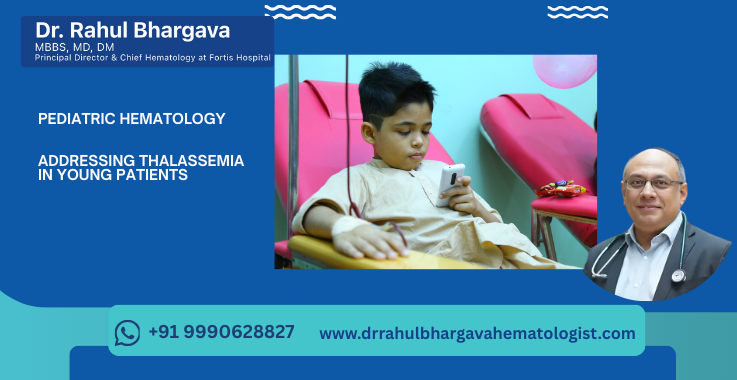
Table of Contents
Understanding Thalassemia in Children
Thalassemia is a genetic blood disorder that affects the body’s ability to produce normal hemoglobin, leading to chronic anemia. It is categorized mainly into two types:
- Alpha Thalassemia
- Beta Thalassemia (most severe form being Beta-Thalassemia Major)
Unlike simple iron-deficiency anemia, thalassemia requires lifelong treatment and careful monitoring. Children born with Beta-Thalassemia Major often require frequent blood transfusions to survive and thrive.
Causes and Genetic Risk Factors
Thalassemia is an autosomal recessive disorder, meaning both parents must be carriers of the mutated gene for their child to be affected.
High-Risk Populations
- South Asia (India, Pakistan, Bangladesh)
- The Mediterranean region
- The Middle East
Southeast Asia
If both parents are carriers, there's a 25% chance with each pregnancy that the child will have thalassemia major. Genetic counseling and carrier screening are vital preventive tools.
Recognizing Early Signs and Symptoms
Early signs in infants and children:
- Persistent fatigue or weakness
- Pale or yellowish skin (jaundice)
- Poor appetite and irritability
- Delayed growth or puberty
- Enlarged spleen or liver
- Facial bone deformities in severe cases
Many symptoms are mistaken for nutritional anemia, delaying diagnosis — which can worsen outcomes if not treated in time.
Diagnostic Approaches in Pediatric Hematology
Early and accurate diagnosis of thalassemia in children is essential for effective treatment planning.
Key Diagnostic Tools
- Newborn Screening (in some countries and private Indian hospitals)
- Complete Blood Count (CBC)
- Hemoglobin Electrophoresis
- High-Performance Liquid Chromatography (HPLC)
- DNA Testing for gene mutations
Regular follow-ups are necessary to monitor blood levels and iron overload caused by frequent transfusions.
Treatment Options for Pediatric Thalassemia
Blood Transfusions
- Typically every 2–4 weeks
- Helps maintain hemoglobin at safe levels
- Side effects include iron overload, requiring chelation therapy
Iron Chelation Therapy
- Oral or injectable medications remove excess iron from the body
- Prevents damage to heart, liver, and other organs
Splenectomy
- Removal of spleen in children with very high transfusion needs
- Only recommended under specific conditions
What Is Stem Cell Transplant?
A stem cell transplant replaces the child’s faulty bone marrow with healthy stem cells from a matched donor, usually a sibling.
Eligibility Criteria
- Typically offered to children with Beta-Thalassemia Major
- Requires a HLA-matched sibling (ideal)
- Younger children have higher success rates
Success Rates
- Up to 90% success with matched sibling donors
- Lower, but still promising with unrelated donor or haploidentical transplants
Managing Complications and Improving Quality of Life:
Long-term care is essential for children with thalassemia. Possible complications include:
- Iron overload (from transfusions)
- Heart or liver damage
- Delayed growth and puberty
- Increased infection risk
Solutions:
- Routine checkups
- Iron chelation
- Growth monitoring
- Psychological counseling and family support
Nutritional and Lifestyle Support for Young Patients:
Diet plays a crucial role in managing thalassemia in children.
Recommended:
- High-calorie, balanced diets
- Calcium and vitamin D supplements
- Fresh fruits, leafy greens (non-iron fortified)
Avoid:
- Iron supplements (unless prescribed)
- Foods high in iron like red meat or iron-fortified cereals
- Encourage gentle physical activities to maintain bone health and overall wellness.
The Importance of Genetic Counseling for Families:
Genetic counseling can help families
- Understand inheritance patterns
- Make informed reproductive decisions
- Plan for prenatal testing
- Test siblings or extended family members for carrier status
Many top Indian hospitals provide pre-marital and prenatal genetic counseling as part of thalassemia prevention efforts.
Advances in Pediatric Thalassemia Research:
Key Developments:
- Gene Therapy: A potential one-time cure in clinical trials
- Safer Iron Chelators: Oral drugs with fewer side effects
- Better Transplant Protocols: Reduced toxicity regimens for young children
India is involved in global research partnerships, making these advancements increasingly accessible.
Support Systems and Resources for Families:
Raising a child with thalassemia requires a village. Fortunately, families can find support from:
Organizations and NGOs:
- Thalassemics India
- Sankalp India Foundation
- Cure2Children
- The Thalassemia International Federation
These offer blood donation networks, financial aid, counseling, and awareness programs.
Conclusion
Thalassemia in children is a lifelong condition, but with early diagnosis, comprehensive treatment, and the possibility of stem cell transplantation, children can lead healthy and fulfilling lives. India continues to lead the way with its advanced care and affordability.
If your child or loved one has thalassemia, reach out now for a free consultation, expert second opinion, and guidance on affordable treatment options in India.
Frequently Asked Questions
Thalassemia in children is a genetic blood disorder where the body cannot produce enough healthy hemoglobin, causing anemia and growth problems.
Early symptoms of pediatric thalassemia include pale skin, fatigue, poor growth, frequent infections, and enlarged spleen.
Treatment for pediatric thalassemia includes regular blood transfusions, iron chelation therapy, and bone marrow transplant in severe cases.
Yes, bone marrow transplant is currently the only curative treatment for thalassemia in children when a matched donor is available.
With early diagnosis, proper treatment, and regular follow-up, children with thalassemia can live longer and healthier lives.