Anemia Beyond Iron Deficiency: Causes, Symptoms & Treatment | Dr Rahul Bhargava
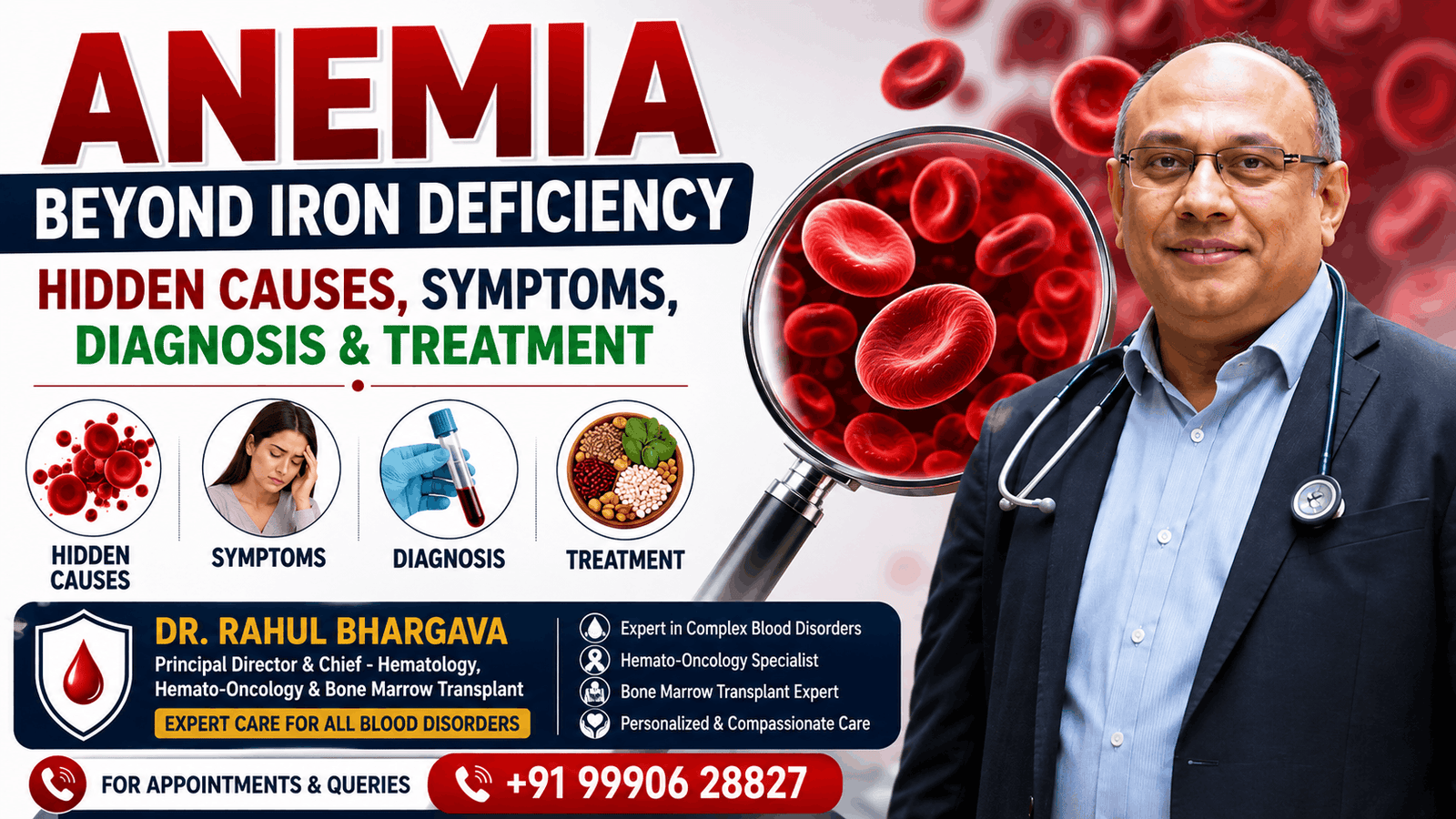
Table of Contents
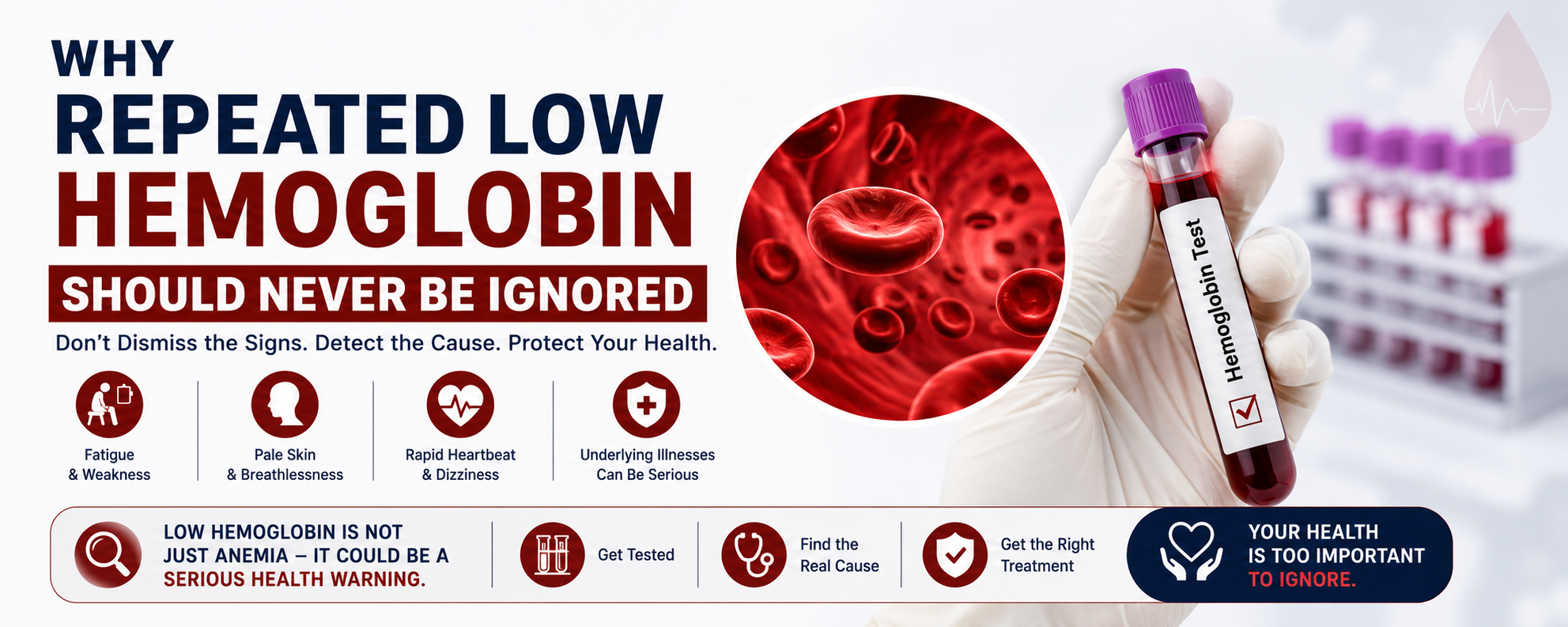
Anemia is often misinterpreted as simply "low iron," but the real issue may be different.
Signs of anemia include fatigue, shortness of breath, dizziness, pale skin, and low energy. Many people start taking iron supplements after a blood test shows low hemoglobin levels, which can be appropriate but isn't always the solution.
Various factors can cause anemia, including vitamin B12 or folate deficiency, chronic inflammation, kidney disease, blood loss, inherited disorders, infections, and bone marrow issues. Therefore, persistent or unexplained anemia should be evaluated by a medical professional rather than treated with self-prescribed iron supplements.
For advanced hematology care in India, Dr. Rahul Bhargava, Principal Director and Chief of Hematology, Hemato-Oncology, and Bone Marrow Transplant at Fortis Memorial Research Institute in Gurugram, specializes in complex blood disorders like leukemia and thalassemia.
This guide outlines hidden causes of anemia, important symptoms, diagnostic procedures, treatment options, and reasons for considering specialized hematology care in India.
What Is Anemia?
Anemia is a condition in which the blood does not have enough healthy red blood cells or sufficient haemoglobin to adequately carry oxygen to the body's tissues.
Haemoglobin is the protein inside red blood cells responsible for carrying oxygen from the lungs to different parts of the body. When haemoglobin levels fall below the appropriate range, tissues may receive less oxygen, leading to symptoms such as fatigue, weakness, dizziness and shortness of breath.
The World Health Organization emphasizes that anemia is not a single disease. It can result from nutritional deficiencies, infections, inflammation, chronic diseases, blood loss, reproductive and obstetric conditions, and inherited red blood cell disorders.
Importantly, the haemoglobin level considered normal can vary depending on factors such as age, sex, pregnancy status, altitude and other physiological factors. WHO updated its guidance on haemoglobin cut-offs in 2024 to improve the diagnosis and interpretation of anemia.
Therefore, a diagnosis should be interpreted by a qualified healthcare professional rather than based on a single number alone.
Is All Anemia Caused by Iron Deficiency?
No.
Iron deficiency is a common cause of anemia, but it is only one part of the picture.
A person may have anemia even when their iron levels are normal. In some cases, giving iron without identifying the underlying problem may not improve haemoglobin levels.
The WHO identifies several categories of causes, including:
- Iron deficiency
- Vitamin deficiency
- Folate deficiency
- Chronic infections
- Inflammation
- Chronic diseases
- Blood loss
- Inherited blood disorders such as thalassemia
- Disorders affecting red blood cell production
- Increased destruction of red blood cells
- Certain cancers and bone marrow disorders
- Pregnancy-related and gynaecological causes
This is why persistent anemia should be approached as a medical finding that needs an explanation, rather than simply a condition requiring iron tablets.
The Hidden Causes of Anemia You Should Know
1. Vitamin B12 Deficiency
Vitamin B12 is essential for normal red blood cell formation and neurological function.
A deficiency can cause a type of anemia in which red blood cells become unusually large. The problem may occur because of inadequate dietary intake, poor absorption, certain gastrointestinal conditions, or other medical factors.
Symptoms can include:
- Persistent fatigue
- Weakness
- Pale skin
- Shortness of breath
- Dizziness
- Tingling or numbness
- Balance difficulties
- Memory or concentration problems
One important point is that B12 deficiency may produce neurological symptoms even when anemia itself is not severe.
If a patient has anemia that does not respond as expected to iron therapy, vitamin B12 testing may be part of the evaluation.
2. Folate Deficiency
Folate, also known as vitamin B9, plays an important role in DNA synthesis and red blood cell production.
Folate deficiency can result in megaloblastic anemia, in which red blood cells are larger than normal and do not develop properly.
Possible causes include:
- Poor nutritional intake
- Increased nutritional requirements
- Certain gastrointestinal problems
- Alcohol-related nutritional deficiency
- Some medications
- Pregnancy-related increased requirements
Treatment generally involves identifying and correcting the underlying cause and replacing folate when clinically appropriate.
3. Anemia of Chronic Disease or Inflammation
This is one of the less obvious causes of anemia.
A person may have a chronic medical condition that interferes with the body's ability to produce or effectively use red blood cells.
Conditions associated with chronic inflammation can include:
- Autoimmune diseases
- Chronic infections
- Kidney disease
- Long-term inflammatory conditions
- Certain cancers
In these situations, simply increasing dietary iron may not solve the problem.
The body can have stored iron while still having difficulty making enough red blood cells.
This is one reason why doctors may examine ferritin, transferrin saturation and other laboratory parameters rather than relying on haemoglobin alone.
4. Kidney Disease
Healthy kidneys produce erythropoietin, a hormone that helps stimulate red blood cell production.
When kidney function becomes significantly impaired, erythropoietin production may decrease. This can contribute to anemia.
Patients with chronic kidney disease may experience:
- Fatigue
- Reduced exercise tolerance
- Weakness
- Breathlessness
- Difficulty concentrating
In these cases, treatment needs to address the underlying kidney problem and the specific mechanism contributing to anemia.
5. Ongoing Blood Loss
Blood loss is another important cause of anemia.
For women, heavy menstrual bleeding can gradually reduce iron stores and eventually lead to iron-deficiency anemia.
In other patients, blood loss may occur from the gastrointestinal tract.
Possible sources include:
- Gastric or duodenal ulcers
- Gastrointestinal inflammation
- Polyps
- Certain medications
- Haemorrhoids
- Gastrointestinal cancers
- Other digestive tract disorders
Occult bleeding can be particularly difficult to recognize because a patient may not see blood in the stool.
For this reason, unexplained iron-deficiency anemia—especially in adults—may require investigation for a source of blood loss.
6. Thalassemia and Other Inherited Blood Disorders
Not every person with small red blood cells has iron deficiency.
Thalassemia is an inherited blood disorder that affects haemoglobin production.
Some people have a relatively mild form and may have little or no significant symptoms. Others can develop much more serious anemia requiring specialist care.
A common diagnostic mistake is to assume that microcytic anemia automatically means iron deficiency.
Depending on the clinical situation, a hematologist may consider:
- Complete blood count
- Red blood cell indices
- Iron studies
- Peripheral blood smear
- Haemoglobin analysis
- Genetic testing in selected cases
- Family history
Correct diagnosis is particularly important because unnecessary iron supplementation may not address anemia caused by an inherited haemoglobin disorder.
Fortis Healthcare identifies hematology as a specialty covering a broad range of blood disorders, including inherited disorders and anemia-related conditions.
7. Hemolytic Anemia
In some types of anemia, the body destroys red blood cells faster than it can replace them.
This is known as hemolytic anemia.
The causes can include:
- Autoimmune conditions
- Certain infections
- Genetic disorders
- Certain medications
- Enzyme deficiencies
- Problems affecting the red blood cell membrane
- Other medical conditions
Depending on the cause, patients may develop:
- Fatigue
- Jaundice
- Dark urine
- Abdominal discomfort
- Enlarged spleen
- Rapid heart rate
- Shortness of breath
Doctors may use tests such as reticulocyte count, bilirubin, lactate dehydrogenase, haptoglobin and a direct antiglobulin test, along with examination of the peripheral blood smear.
The exact investigation depends on the patient's symptoms and clinical history.
8. Bone Marrow Disorders
The bone marrow is where most blood cells are produced.
When the bone marrow is not functioning normally, the body may not produce enough healthy red blood cells.
Some marrow disorders can cause anemia alone, while others may affect several blood cell lines.
For example, a patient may have:
- Anemia
- Low white blood cell count
- Low platelet count
- Abnormal blood cell morphology
- Recurrent infections
- Easy bruising or bleeding
When anemia occurs alongside abnormalities in other blood counts, a hematologist may investigate further.
Depending on the findings, this may include a peripheral smear, nutritional testing, viral or autoimmune investigations, bone marrow examination, flow cytometry, cytogenetic testing or molecular investigations.
These tests are not necessary for every patient with anemia. They are considered when the clinical picture suggests a more complex blood or bone marrow disorder.
9. Myelodysplastic Syndromes and Other Hematological Conditions
In older adults especially, persistent unexplained anemia can sometimes be associated with disorders of blood cell production.
Myelodysplastic syndromes, for example, are a group of disorders in which the bone marrow produces abnormal or ineffective blood cells.
A patient may initially present with:
- Unexplained anemia
- Persistent fatigue
- Low blood counts
- Abnormal blood cells on a smear
- Need for repeated blood transfusions
Because several other conditions can produce similar findings, diagnosis requires appropriate hematological evaluation.
A specialist may recommend additional investigations when routine testing cannot explain persistent or worsening anemia.
10. Cancer and Anemia
Anemia can sometimes occur in patients with cancer.
There are several possible reasons:
- Chronic inflammation
- Blood loss
- Nutritional deficiency
- Bone marrow involvement
- Kidney-related mechanisms
- Effects of cancer treatment
- Reduced red blood cell production
Anemia does not mean that a person has cancer.
However, unexplained anemia accompanied by other concerning symptoms should not simply be ignored.
A hematologist can determine whether further investigation is necessary based on the complete clinical picture.
Dr. Rahul Bhargava's practice includes hematology and hemato-oncology, with Fortis Healthcare describing his experience in complex blood disorders including leukemia, lymphoma and thalassemia.
What are the Symptoms of Anemia?
The symptoms of anemia can vary depending on how low the haemoglobin level is, how quickly it developed and the underlying cause.
Common symptoms include:
Fatigue
This is one of the most common complaints. A person may feel exhausted even after adequate sleep.
Weakness
Routine activities may become more difficult than before.
Shortness of Breath
Patients may become breathless while climbing stairs, walking quickly or exercising.
Dizziness
Reduced oxygen delivery can contribute to light-headedness or dizziness.
Headaches
Some people with anemia experience recurrent headaches.
Pale Skin
Paleness can be more noticeable in the face, lips, palms or nail beds.
Fast Heartbeat
The heart may compensate for reduced oxygen-carrying capacity by pumping more rapidly.
Cold Hands and Feet
Some people experience increased sensitivity to cold.
Poor Concentration
Fatigue and reduced oxygen delivery can affect concentration and mental performance.
Hair or Nail Changes
Iron deficiency may sometimes be associated with brittle nails or hair changes.
However, these symptoms are not specific to anemia. They can occur in many other medical conditions, which is why testing is important.
When Should You See a Hematologist?
Not everyone with mild anemia needs a hematologist immediately.
However, specialist evaluation may be appropriate when anemia is:
- Persistent
- Recurrent
- Severe
- Unexplained
- Not improving with appropriate treatment
- Associated with abnormal white blood cells or platelets
- Associated with enlarged lymph nodes or spleen
- Associated with unexplained bruising or bleeding
- Associated with abnormal blood smear findings
- Associated with suspected inherited blood disorders
- Occurring alongside other systemic symptoms
Patients who have repeatedly taken iron supplements without improvement should also discuss the situation with a doctor rather than continuing treatment indefinitely.
How Is Anemia Diagnosed?
Diagnosing anemia is not simply about checking haemoglobin.
The first step is usually a detailed medical history, physical examination and complete blood count.
1. Complete Blood Count
A CBC provides important information about:
- Haemoglobin
- Haematocrit
- Red blood cell count
- Mean corpuscular volume
- Mean corpuscular haemoglobin
- White blood cell count
- Platelet count
The pattern can provide clues about the type of anemia.
2. Peripheral Blood Smear
A peripheral smear allows a specialist to examine the appearance of blood cells under a microscope.
It may provide clues about:
- Iron deficiency
- Thalassemia
- Hemolysis
- Abnormal blood cell production
- Certain infections
- Other hematological conditions
3. Iron Studies
Depending on the situation, testing may include:
- Serum ferritin
- Serum iron
- Total iron-binding capacity
- Transferrin saturation
These tests help doctors determine whether iron deficiency is actually present.
Ferritin can also be affected by inflammation, so it should be interpreted in the context of the patient's overall health.
4. Vitamin B12 and Folate Testing
When macrocytosis or nutritional deficiency is suspected, doctors may evaluate vitamin B12 and folate levels.
Additional tests may sometimes be needed when the initial results are unclear.
5. Reticulocyte Count
Reticulocytes are young red blood cells.
The reticulocyte count can help doctors understand whether the bone marrow is responding appropriately to anemia.
A low or inadequate response may suggest reduced production, while an elevated response can occur when the body is trying to replace red blood cells lost through bleeding or destruction.
6. Kidney and Liver Function Tests
Kidney and liver disorders can contribute to anemia.
Therefore, evaluating organ function can be an important part of the diagnostic process.
7. Tests for Hemolysis
If red blood cell destruction is suspected, doctors may order tests such as:
- Bilirubin
- LDH
- Haptoglobin
- Reticulocyte count
- Direct antiglobulin test
- Peripheral smear
The choice of tests depends on the suspected cause.
8. Hemoglobin Analysis
When an inherited haemoglobin disorder such as thalassemia is suspected, haemoglobin analysis may be useful.
Genetic testing can be considered in selected patients.
9. Bone Marrow Examination
A bone marrow aspiration or biopsy is not required for routine iron-deficiency anemia.
However, it may be recommended when doctors suspect a marrow disorder, unexplained cytopenias, certain blood cancers, myelodysplastic syndromes or other complex hematological conditions.
A hematologist determines whether this investigation is appropriate.
Why Anemia Treatment Should Target the Cause
The most important principle in anemia management is:
Treat the reason for the anemia—not just the haemoglobin number.
For example:
- Iron deficiency → identify and treat the source of deficiency or blood loss and replace iron when appropriate.
- Vitamin B12 deficiency → replace B12 and investigate why deficiency occurred.
- Folate deficiency → correct folate deficiency and its underlying cause.
- Kidney-related anemia → manage the kidney disease and anemia according to the clinical situation.
- Hemolytic anemia → treat the cause of red blood cell destruction.
- Thalassemia → provide appropriate specialist management according to the type and severity.
- Bone marrow disorders → specialist hematological treatment may be required.
The appropriate treatment can therefore range from nutritional supplementation to advanced hematological therapies.
Treatment Options for Anemia
Iron Replacement
When laboratory testing confirms iron deficiency, doctors may recommend oral or intravenous iron depending on the severity, cause, tolerance and clinical circumstances.
The source of iron deficiency should also be investigated, particularly when blood loss is suspected.
Vitamin B12 Replacement
Vitamin B12 can be replaced through oral or injectable therapy depending on the underlying cause and clinical requirements.
Folate Replacement
Folic acid supplementation may be prescribed when folate deficiency is confirmed.
It is important to evaluate vitamin B12 status when appropriate because folate treatment can improve some blood abnormalities while potentially allowing neurological consequences of untreated B12 deficiency to persist.
Treatment of Chronic Disease
When anemia is related to an underlying chronic condition, treatment focuses on controlling the primary disease while managing anemia appropriately.
Treatment of Hemolytic Anemia
The treatment depends entirely on the underlying cause.
Autoimmune hemolytic anemia, for example, may require immunosuppressive treatment, while other forms require different approaches.
Blood Transfusion
In certain situations, red blood cell transfusion may be considered.
The decision depends on factors such as:
- Haemoglobin level
- Symptoms
- Active bleeding
- Cardiovascular status
- Underlying disease
- Overall clinical condition
Transfusion is not automatically required for every patient with anemia.
Advanced Hematology Care at Fortis Memorial Research Institute, Gurugram
For patients with persistent or complicated blood disorders, access to specialist hematology care can make an important difference.
Fortis Memorial Research Institute (FMRI), Gurugram, has a dedicated hematology service covering benign and malignant blood disorders. Fortis Healthcare lists anemia-related disorders, nutritional deficiencies, inherited blood disorders and other hematological conditions within the scope of its hematology services.
Dr. Rahul Bhargava is listed by Fortis Healthcare as Principal Director & Chief – Hematology, Hemato-Oncology & Bone Marrow Transplant at FMRI Gurugram. His listed qualifications include MBBS, MD and DM, and Fortis describes his clinical experience in complex blood disorders and bone marrow transplantation.
His broader hematology practice is relevant for patients whose anemia may require more than routine nutritional treatment—for example, when there is a suspicion of an inherited blood disorder, marrow disorder, hemato-oncological condition or another complex hematological problem.
Fortis Healthcare has also highlighted initiatives at its Gurugram Institute of Blood Disorders focused on earlier detection, informed decision-making and proactive hematology care.
Why Choose Dr. Rahul Bhargava for Complex Blood Disorders?
When anemia is straightforward, a general physician or internist may be able to manage it effectively.
But when anemia is persistent, unexplained or associated with other abnormal blood counts, specialist hematology expertise can be valuable.
Dr. Rahul Bhargava's clinical focus includes:
- Hematology
- Hemato-oncology
- Bone marrow transplantation
- Complex blood disorders
- Leukemia
- Lymphoma
- Thalassemia
- Other hematological conditions
Fortis Healthcare identifies him as a senior hematology and bone marrow transplant specialist with more than 16 years of experience listed on his current profile.
For international patients, the advantage is not simply access to a doctor but the ability to have an unexplained blood problem evaluated systematically.
Anemia Treatment in India for International Patients
India has become an important destination for patients seeking specialist medical care because of the combination of experienced clinicians, tertiary-care hospitals, advanced diagnostic facilities and comparatively accessible treatment costs.
For an international patient with unexplained anemia, the treatment journey may begin before travelling to India.
A typical process can include:
Step 1: Share Medical Reports
Patients can provide:
- CBC reports
- Haemoglobin results
- Iron studies
- B12 and folate reports
- Previous treatment records
- Bone marrow reports, if available
- Genetic or haemoglobin analysis
- Imaging reports
- Previous prescriptions
Step 2: Specialist Review
The medical team reviews the available reports and clinical history.
Additional information may be requested if the existing records do not provide enough information.
Step 3: Treatment Plan
Depending on the findings, the doctor may recommend further diagnostic testing or a treatment plan.
Step 4: Hospital Coordination
International patients can receive assistance with appointment scheduling, hospital coordination and other aspects of medical travel.
Step 5: Medical Visa and Travel Support
Medical tourism facilitators can assist eligible patients with documentation and coordination for their medical journey.
Step 6: Treatment and Follow-Up
The patient's treatment depends on the confirmed diagnosis. Follow-up planning is particularly important for chronic or complex blood disorders.
Why International Patients Consider India for Hematology Treatment
Patients from Africa, the Middle East, Central Asia, Southeast Asia and other regions may consider India when they need specialist care for complex medical conditions.
Some of the reasons include:
Experienced Specialists
India has specialist physicians working across hematology, hemato-oncology and transplant medicine.
Advanced Diagnostic Facilities
Large tertiary-care hospitals can provide access to laboratory investigations, imaging, pathology and specialized hematological testing.
Multidisciplinary Care
Complex anemia may involve hematologists, gastroenterologists, nephrologists, oncologists, gynecologists, nutrition specialists or other physicians depending on the cause.
Modern Treatment Infrastructure
Major hospitals provide facilities for medical treatment, transfusion support and, when required, advanced hematological procedures.
Cost Considerations
Treatment costs in India can be lower than in many high-income countries, although the final cost varies substantially according to diagnosis, investigations, medications, hospital stay and treatment complexity.
International patients should request an individualized estimate rather than relying on a generic online cost figure.
How Much Does Anemia Treatment Cost in India?
There is no single cost for anemia treatment in India because anemia is a symptom or laboratory finding with many different causes.
A patient with uncomplicated iron deficiency may require only consultation, blood tests and iron replacement.
Another patient may require extensive hematological investigations, hospitalization or treatment for an underlying disease.
The total cost can depend on:
- Hematologist consultation
- CBC and blood investigations
- Iron studies
- Vitamin B12 and folate testing
- Hemoglobin analysis
- Genetic testing
- Bone marrow examination
- Imaging
- Endoscopy or other investigations for blood loss
- Medications
- Blood transfusions, if medically indicated
- Hospitalization
- Treatment of the underlying condition
- Follow-up consultations
For international patients, a personalized treatment estimate should be prepared after reviewing the medical records and understanding the suspected diagnosis.
Anemia: When Is It an Emergency?
Most anemia develops gradually and can be evaluated through an outpatient consultation.
However, urgent medical attention may be required if anemia is associated with:
- Severe breathing difficulty
- Chest pain
- Fainting
- Severe weakness
- Rapid heartbeat
- Heavy or ongoing bleeding
- Black or bloody stools
- Vomiting blood
- Sudden deterioration
- Severe anemia symptoms
Patients with known heart or lung disease may experience symptoms at different haemoglobin levels than otherwise healthy individuals.
Emergency symptoms should not be managed through online consultation or self-medication.
Can Anemia Be Prevented?
Some forms of anemia can be prevented, while others are related to inherited or chronic conditions and cannot always be prevented.
Helpful measures may include:
- Maintaining a balanced diet
- Treating nutritional deficiencies appropriately
- Seeking medical advice for heavy menstrual bleeding
- Investigating unexplained gastrointestinal blood loss
- Managing chronic diseases
- Following recommended pregnancy nutrition
- Screening when an inherited blood disorder is suspected
- Avoiding unnecessary long-term self-medication
However, prevention depends on the cause.
Why You Should Not Ignore Persistent Anemia
One of the biggest mistakes people make is becoming accustomed to feeling tired.
They may think:
“I am just stressed.”
Or:
“I probably need more iron.”
But persistent anemia can sometimes be the first visible sign of another medical problem.
The key question is not simply:
“How can I increase my haemoglobin?”
It is:
“Why is my haemoglobin low?”
Once the cause has been identified, treatment becomes much more targeted.
This is particularly important when anemia continues despite treatment, when iron studies are normal, or when other blood counts are also abnormal.
Final Takeaway: Look Beyond Iron
Anemia should not automatically be treated as an iron problem.
While iron deficiency is common, anemia can have many hidden causes—from vitamin deficiencies and chronic disease to inherited blood disorders, blood loss, hemolysis and bone marrow conditions.
If your haemoglobin remains low despite treatment, or if your anemia has never been properly explained, it may be time to look beyond iron.
A specialist hematology evaluation can help determine what type of anemia you have, why it developed and what treatment is appropriate.
For patients seeking specialist hematology care in India, Dr. Rahul Bhargava at Fortis Memorial Research Institute, Gurugram, offers expertise in hematology, hemato-oncology and bone marrow transplantation. Fortis Healthcare's hematology department provides care across a broad spectrum of blood disorders, supported by specialist diagnostic and treatment services.
For international patients, the journey can be coordinated around medical records, specialist consultation, diagnostic evaluation, hospital treatment and follow-up planning.
The goal should not simply be to increase haemoglobin. The goal is to find the reason behind the anemia and treat the patient accordingly.
Medical Disclaimer
This article is intended for general educational purposes and should not replace consultation with a qualified doctor. Anemia has many possible causes, and the appropriate investigations and treatment vary from patient to patient. Do not start, stop or change iron, vitamin or prescription medication without medical advice. Patients with severe symptoms, active bleeding, chest pain, fainting or significant breathing difficulty should seek urgent medical attention.
Frequently Asked Questions
No. Iron deficiency is a common cause, but anemia can also result from vitamin B12 or folate deficiency, chronic disease, inflammation, kidney disease, blood loss, inherited disorders, hemolysis and bone marrow conditions.
There are several possible explanations. You may not have iron-deficiency anemia, the iron may not be adequately absorbed, there may be continuing blood loss, or another medical condition may be contributing.
Yes. Vitamin B12 deficiency can interfere with normal red blood cell production and may cause megaloblastic anemia.
Yes. Reduced kidney function can affect erythropoietin production and contribute to anemia.
No. Thalassemia is an inherited haemoglobin disorder. Some forms can resemble iron-deficiency anemia on a routine blood count, so appropriate testing is important.
No. Anemia has many causes and most cases are not caused by cancer. However, unexplained or persistent anemia may require further investigation to rule out underlying diseases.
Consider specialist evaluation if anemia is persistent, severe, unexplained, recurrent, resistant to appropriate treatment, or accompanied by abnormal white blood cell or platelet counts.
A CBC is usually the starting point. Depending on the findings, doctors may order iron studies, B12, folate, reticulocyte count, peripheral smear, kidney and liver tests, hemolysis testing, haemoglobin analysis or bone marrow studies.
Yes. Reduced haemoglobin can decrease the blood's oxygen-carrying capacity and may cause breathlessness, particularly during physical activity.
That depends on the underlying cause. Nutritional deficiencies or blood-loss-related anemia may improve substantially once the cause is corrected. Chronic or inherited conditions may require long-term management.
A hematologist specializes in blood disorders. They can investigate anemia that is unexplained, persistent, severe or associated with abnormalities in other blood cells.
No. Bone marrow examination is not routinely required for uncomplicated anemia. It is considered when the clinical and laboratory findings suggest a bone marrow or other complex hematological disorder.
Dr. Rahul Bhargava is listed by Fortis Healthcare as Principal Director & Chief of Hematology, Hemato-Oncology & Bone Marrow Transplant at FMRI Gurugram, with his profile also listing availability at other Fortis locations. International patients can coordinate with the hospital or an authorized medical travel facilitator regarding appointment availability, medical records and travel arrangements.