When Is Bone Marrow Transplant (BMT) Needed for Lymphoma
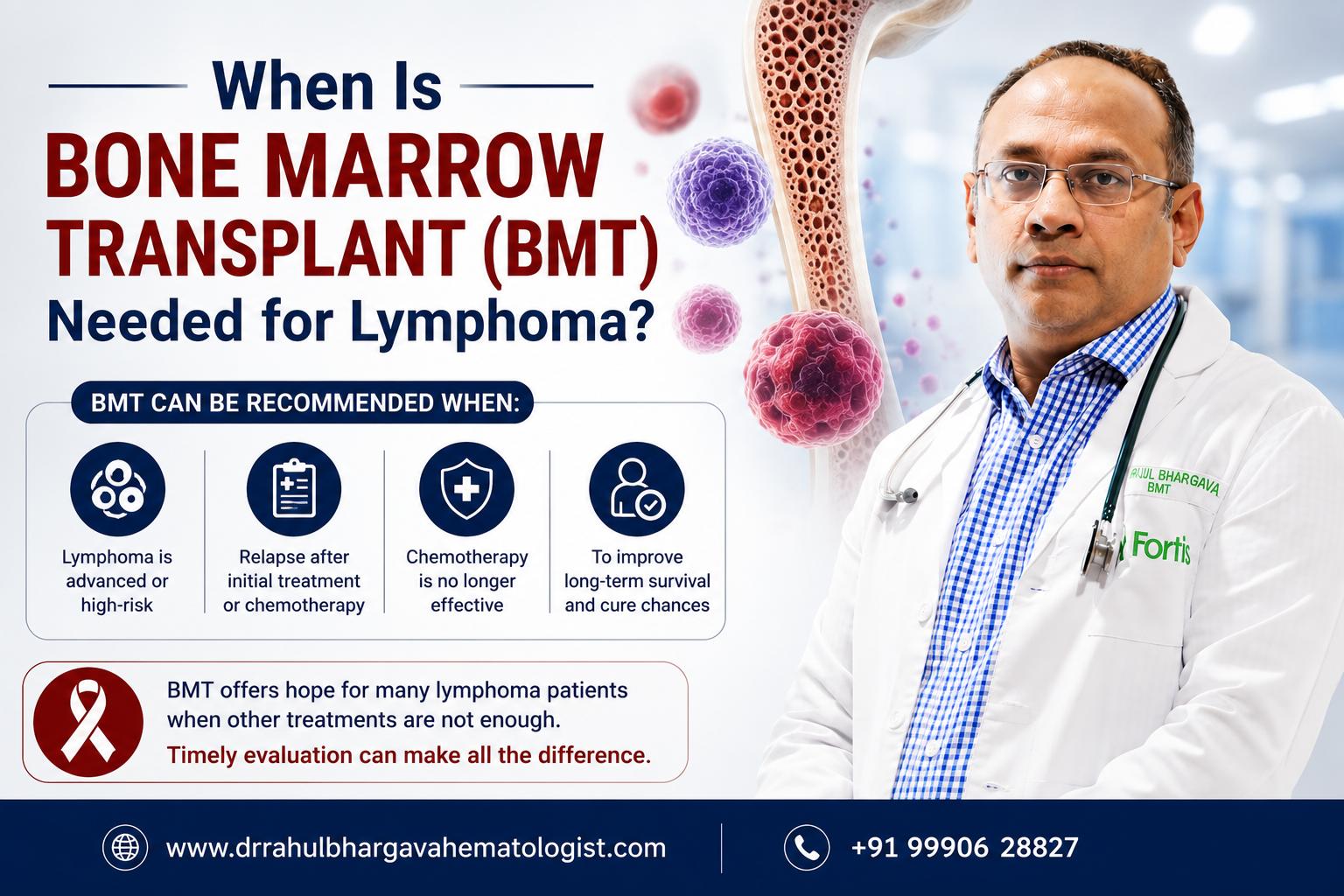
Table of Contents
Lymphoma is a type of blood cancer that affects the lymphatic system and can be hard to detect at first. Getting a lymphoma diagnosis can be very stressful for patients and their families. Thankfully, there are several effective treatments available, such as chemotherapy and targeted therapies. For some, a Bone Marrow Transplant (BMT), also called a hematopoietic stem cell transplant, may be a life-saving option.
When is BMT needed for lymphoma, and why do doctors recommend it for some people but not others? In this blog, we will explain the basics, answer common questions, and discuss why India has become a top place for lymphoma treatment and BMT.
Understanding Lymphoma
Before we discuss bone marrow transplants, it’s important to understand what lymphoma is and how it affects the body. Lymphoma begins in the lymphatic system, which is a vital part of the immune system. The lymphatic system includes the lymph nodes, spleen, bone marrow, and a network of vessels that help the body fight infections and stay healthy.
Lymphoma develops when lymphocytes, a type of white blood cell that protects us from germs and infections, start to grow uncontrollably. This can start in one part of the lymphatic system or spread to others, making it harder for the body to fight infections.
There are two main types of lymphoma, each with its own features and treatment options:
- Hodgkin Lymphoma (HL): This type is identified by the presence of special cells called Reed-Sternberg cells. Although it is relatively rare, Hodgkin Lymphoma is highly treatable, and many patients respond very well to therapy.
- Non-Hodgkin Lymphoma (NHL): This is a broad and diverse group of lymphomas. Non-Hodgkin Lymphomas are more common than Hodgkin Lymphoma and can vary widely in aggressiveness. Some types grow slowly over time, while others can progress quickly, making early diagnosis and personalized treatment especially important.
Symptoms often include:
- Swollen lymph nodes (in the neck, armpits, or groin)
- Persistent fatigue
- Fever and night sweats
- Unexplained weight loss
- Itching or skin rashes
Treatment depends on the type and stage of lymphoma, as well as the patient’s age, overall health, and how they responded to earlier treatments. Most early-stage lymphomas respond well to chemotherapy or radiotherapy. But if standard treatments do not work or the disease comes back, a Bone Marrow Transplant may be suggested.
What is a Bone Marrow Transplant (BMT)?
A Bone Marrow Transplant (BMT) is a medical procedure in which damaged or destroyed bone marrow is replaced with healthy stem cells. Stem cells are often called the body’s “master cells” because they have the unique ability to develop into different types of blood cells red blood cells that carry oxygen, white blood cells that fight infections, and platelets that help with clotting. By restoring healthy bone marrow, a BMT helps the body rebuild a strong blood and immune system, which is crucial for fighting disease and supporting overall health.
There are two main types of Bone Marrow Transplants (BMT), each suited to different situations:
- Autologous BMT: This type uses the patient’s own stem cells. It is often chosen when chemotherapy has damaged the bone marrow but enough healthy stem cells can be collected beforehand. Using the patient’s own cells reduces the risk of rejection and complications.
- Allogeneic BMT: This type uses stem cells from a donor, usually a sibling or a closely matched unrelated person. Doctors often recommend allogeneic transplants when the patient’s bone marrow is badly damaged or the disease is aggressive. This method can be very effective, but careful matching is needed to reduce the risk of problems like graft-versus-host disease.
The procedure is demanding and includes:
- High-dose chemotherapy and sometimes radiotherapy to destroy cancerous cells
- Infusion of stem cells to restore bone marrow function
- Close monitoring in specialized units to prevent infections and complications
When is Bone Marrow Transplant Needed for Lymphoma?
Not all lymphoma patients need a bone marrow transplant. The decision is based on several factors:
1. Lymphoma Type and Stage
-
Hodgkin Lymphoma: Most cases respond well to first-line chemotherapy. BMT is considered if the disease relapses or does not respond to initial therapy (refractory lymphoma).
- Non-Hodgkin Lymphoma: Aggressive types, like diffuse large B-cell lymphoma, may require BMT if they relapse after standard treatment. Indolent (slow-growing) lymphomas may also need BMT in certain situations.
2. Response to Initial Therapy
Whether a patient needs a BMT often depends on how well they respond to their first treatments, such as chemotherapy or targeted therapy. If these treatments work effectively, a transplant may not be necessary. However, if the response is insufficient or the disease recurs, a BMT may become the next important step in treatment.
- Partial Response or Relapse: If the lymphoma returns or only partially responds to the first round of treatment, an autologous BMT—using the patient’s own stem cells—is often recommended. This approach can help rebuild healthy bone marrow and give the patient a better chance at long-term remission.
- Chemotherapy Resistance: For patients whose cancer does not respond to standard therapy, an allogeneic BMT, which uses stem cells from a compatible donor, may offer the best chance of remission. This method can provide a stronger immune response to target and remove any remaining cancer cells.
3. Patient Age and Overall Health
Bone Marrow Transplant (BMT) is a major and demanding procedure. Patients need healthy organs such as the heart, lungs, liver, and kidneys, and must be physically strong enough to handle the high-dose treatment and recovery.
- Younger patients generally tolerate BMT better and may recover more quickly.
- Older adults often need a careful evaluation before the procedure. Sometimes, doctors suggest a reduced-intensity BMT, which is easier on the body but still effective.
4. Genetic and Molecular Factors
Some lymphomas have certain genetic changes or markers that can make the disease more aggressive or harder to treat. When this happens, doctors may recommend a Bone Marrow Transplant (BMT) earlier to reduce the chances of the cancer coming back. Understanding these genetic and molecular details helps guide treatment choices and gives patients a better chance at long-term remission.
Bone Marrow Transplant in India: Why It’s Becoming Popular
India has become a leading center for BMT and lymphoma care, attracting patients from both India and abroad. Some reasons for this are:
- Advanced Facilities: Major cities such as Mumbai, Delhi, Chennai, and Bangalore have specialized centers for blood and cancer care, with dedicated BMT units.
- Experienced Specialists: Indian hematologists are highly experienced in performing complex transplants.
- Cost-Effective Treatment: BMT in India is much more affordable than in Western countries, while still maintaining high quality.International Accreditation: Many Indian hospitals follow international standards and are accredited by JCI and NABH. tourists, India offers high-quality care with personalized attention, shorter waiting times, and the option for follow-up care in a comfortable environment.
Preparing for a Bone Marrow Transplant (BMT)
Having a Bone Marrow Transplant is a complex process that needs careful preparation to get the best results. Preparation includes several important steps:
- Pre-Transplant Evaluation: Before the transplant, patients have a thorough check-up. This includes blood tests to check overall health, imaging scans to look at organs, and detailed tests of heart and lung function to make sure the body can handle the procedure.
- Stem Cell Collection: The way stem cells are collected depends on the type of transplant. For an autologous BMT, the patient’s own stem cells are collected and stored before high-dose chemotherapy. For an allogeneic BMT, the donor goes through a similar process to provide healthy stem cells for the patient.
- Informed Consent and Counseling: Patients and their families get detailed information about the transplant process, possible risks, complications, and what to expect during recovery. Counseling helps them get ready mentally and emotionally for what’s ahead.
Careful preparation improves results, lowers risks, and helps patients get ready for both the procedure and recovery.
Get your personalised treatment plan and estimated cost.Find Your Treatment Plan
Risks and Complications
A Bone Marrow Transplant (BMT) can save lives, but it is a complex procedure with risks and complications that patients should be aware of:
- Infections: Because the immune system is weakened after the transplant, patients are more susceptible to infections. Extra precautions and close monitoring are essential during this vulnerable period.
- Graft-versus-Host Disease (GVHD): In allogeneic transplants, where stem cells come from a donor, the donor cells may sometimes attack the patient’s own tissues. GVHD can range from mild to severe, and it needs close monitoring and proper management.
- Organ Toxicity: The high-dose chemotherapy given before a transplant can place stress on important organs like the liver, kidneys, or heart. This is why doctors carefully check how well these organs are working before the procedure to help lower the risk.
- Infertility: Depending on the type and strength of the treatment, fertility may be affected. Patients are often advised about fertility-preservation options in advance so they can make informed decisions about their reproductive health.
- Relapse: Even after a transplant, there is a possibility that lymphoma may return. Close follow-up and monitoring are crucial to detect and address any signs of relapse early.
Doctors weigh these risks against the possible life-saving benefits of BMT and adjust the plan to fit each patient’s health, disease, and treatment goals. Understanding the risks helps patients and families prepare both physically and emotionally for the transplant process.
Recovery and Follow-Up
Recovering from a Bone Marrow Transplant (BMT) is a slow and steady process that can take several months. During this period, patients need close monitoring and ongoing support to help them heal safely and achieve a successful recovery.
- Close Monitoring: Regular blood tests, imaging scans, and medical check-ups are essential to detect any signs of relapse or complications early.
- Infection Prevention: Since the immune system is still rebuilding, vaccinations, protective measures, and strict hygiene practices are important to reduce the risk of infections.
- Nutrition and Physical Rehabilitation: Eating well, doing light exercise, and joining physiotherapy can help patients regain strength, build stamina, and support their recovery.
Emotional and mental health are just as important. Having a BMT can be challenging both physically and mentally, so counseling, therapy, or support groups can help patients and families cope with stress, anxiety, and the challenges of recovery.
With proper follow-up care and support, many patients gradually regain their health and enjoy a good quality of life again.
Real-Life Perspective
Consider a real scenario:
Rohit, 35, Delhi – Diagnosed with aggressive non-Hodgkin lymphoma, he underwent chemotherapy but experienced relapse within a year. His oncologist recommended an autologous BMT. Post-transplant, he stayed in a specialized unit for 3 weeks. With careful follow-up and a strong support system, Rohit returned to a normal life within 6 months and is now in remission.
Stories like Rohit’s show how BMT can give people a second chance at life when standard treatments are not enough.
Conclusion
Bone Marrow Transplant is not the first-line treatment for lymphoma but becomes crucial in specific situations:
- Relapsed or refractory lymphoma
- Aggressive lymphoma with high relapse risk
- Young, fit patients who can tolerate the procedure
- Cases where standard therapy is insufficient
In India, world-class medical facilities, skilled specialists, and more affordable treatment options make Bone Marrow Transplant accessible for both domestic and international patients. Early diagnosis, proper treatment planning, and regular follow-up care all play a key role in achieving the best possible outcome.
For patients and families facing lymphoma, BMT can feel overwhelming. But with the right guidance, preparation, and support, it can be a life-saving step toward remission and new hope.
Frequently Asked Questions
A Bone Marrow Transplant is a medical procedure that replaces damaged or diseased bone marrow with healthy stem cells. It helps restore the body’s ability to produce blood cells and fight lymphoma
Doctors usually first check siblings for HLA matching. If no match is found, registries like DATRI in India or international bone marrow registries are used to find compatible donors.
• Autologous Bone Marrow Transplant: Uses the patient’s own stem cells. • Allogeneic Bone Marrow Transplant: Uses stem cells from a donor, often a sibling or a matched unrelated donor.
The whole process, from stem cell collection to recovery, can take 3–6 months. Hospital stay for the transplant is usually 3–6 weeks, depending on complications.
The success of a Bone Marrow Transplant depends on the type of lymphoma, how advanced it is, and the patient’s overall health. Autologous BMT often works very well for lymphoma that has relapsed. AllogeneicBone Marrow Transplant can cure more aggressive or treatment-resistant cases, but it also comes with higher risks.
Yes, but careful assessment is needed. Reduced-intensity BMT may be offered for older adults or those with weaker organ function.
Preparation includes blood tests, imaging, heart and lung assessments, and counseling. Patients must maintain good nutrition and overall health.
Full recovery may take 3–6 months. Immune system recovery can take longer, and regular follow-ups are essential.
Yes. Patients need to avoid infections, maintain a healthy diet, exercise moderately, and attend regular check-ups to monitor blood counts and prevent relapse.
Yes, you can. India has many world-class BMT centers with highly experienced specialists, advanced facilities, and more affordable treatment costs. Because of this, a large number of international patients choose India for their bone marrow transplant and overall medical care.
The cost of a Bone Marrow Transplant in India varies depending on the hospital, the type of transplant, and the length of hospital stay. On average, it is far more affordable than in many Western countries.
Typically, the cost ranges from $25,000 to $60,000 USD, which usually includes hospitalization, tests, and medications.
Doctors usually first check siblings for HLA matching. If no match is found, registries like DATRI in India or international bone marrow registries are used to find compatible donors.